Tracing How Transaction Preferences Shape Engagement Patterns in Mobile Roulette Sessions
Eden Peters · Jun 19, 2026
Tracing How Transaction Preferences Shape Engagement Patterns in Mobile Roulette Sessions
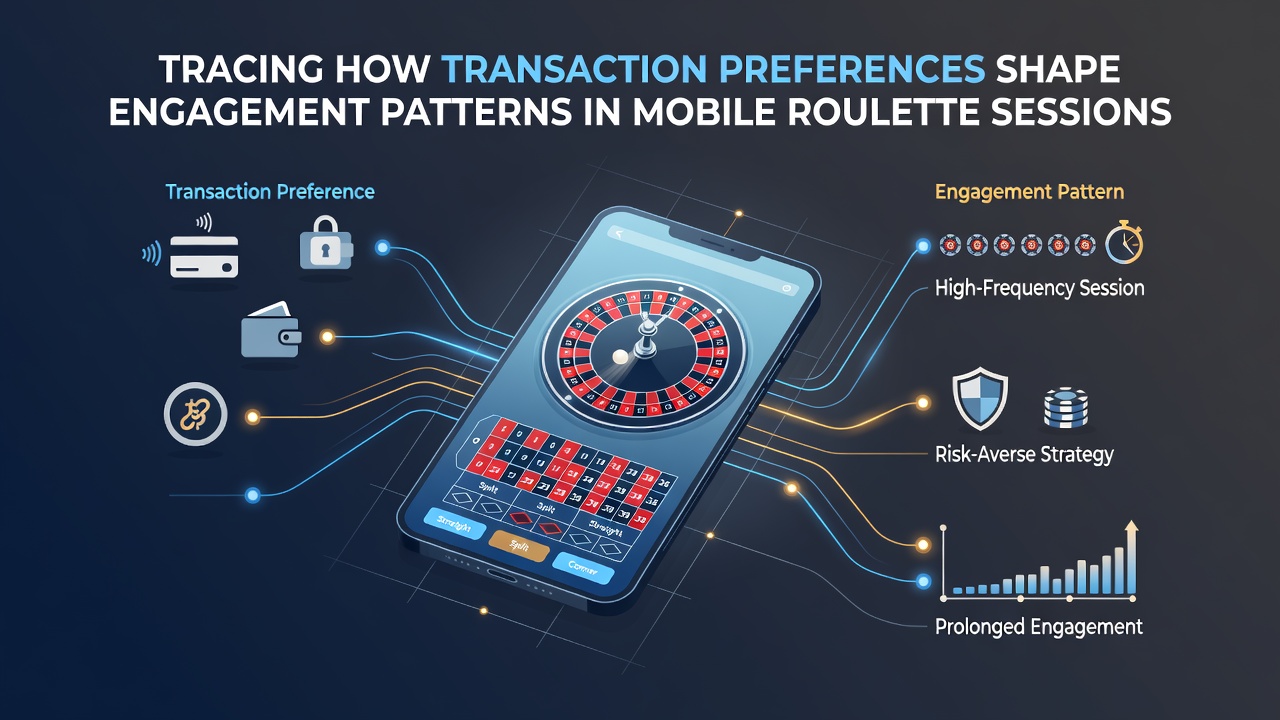
Transaction methods in mobile roulette have evolved alongside device technology, creating measurable differences in how players interact with sessions over time. Payment choices range from traditional credit cards and bank transfers to digital wallets and emerging cryptocurrency options, each carrying distinct processing speeds and visibility on user dashboards. Industry analysts track these preferences through aggregated platform data, noting consistent correlations between funding speed and session length across various markets.
Payment Method Categories and Adoption Trends
Observers note that e-wallets such as Apple Pay and similar services now account for a growing share of mobile deposits, particularly in regions where instant verification is prioritized. Credit and debit cards remain widely used due to familiarity and widespread acceptance, while bank transfers appeal to users who favor larger, less frequent funding events. Cryptocurrency transactions appear in smaller but increasing volumes, especially among players seeking additional privacy layers or operating in jurisdictions with supportive frameworks. Data collected through 2025 into mid-2026 shows these categories maintaining relatively stable adoption rates, with minor shifts tied to regulatory updates in specific territories.
Session Duration and Frequency Patterns
Engagement metrics reveal that platforms supporting instant or near-instant funding often record longer average session times compared with those relying on slower verification processes. Players using e-wallets complete deposits in seconds, allowing them to resume betting without interruption, whereas bank transfer users sometimes pause activity until funds clear. Frequency data indicates that mobile roulette participants who favor recurring small deposits through digital wallets tend to log in more often over a given week, though total wagered amounts per session may vary. Researchers examining platform logs have documented these patterns across thousands of accounts, linking transaction velocity directly to continuity of play.
What's interesting is how these behaviors cluster by device type and operating system as well. iOS users show higher adoption of built-in wallet features, while Android environments display broader experimentation with third-party applications. Such differences contribute to distinct engagement curves that operators monitor when optimizing interface layouts.
Bet Sizing and Risk Exposure Correlations
Transaction preferences also intersect with bet sizing decisions during active roulette rounds. Accounts funded through methods that display real-time balances tend to exhibit steadier bet increments, whereas those using batch transfers sometimes display larger initial wagers after funding events. Studies of gameplay sequences demonstrate that rapid reload options correlate with more frequent adjustments to stake levels, as players can respond immediately to table outcomes. Figures from multiple operator datasets compiled through spring 2026 illustrate these connections without establishing causation, instead highlighting observable associations that inform interface design choices.
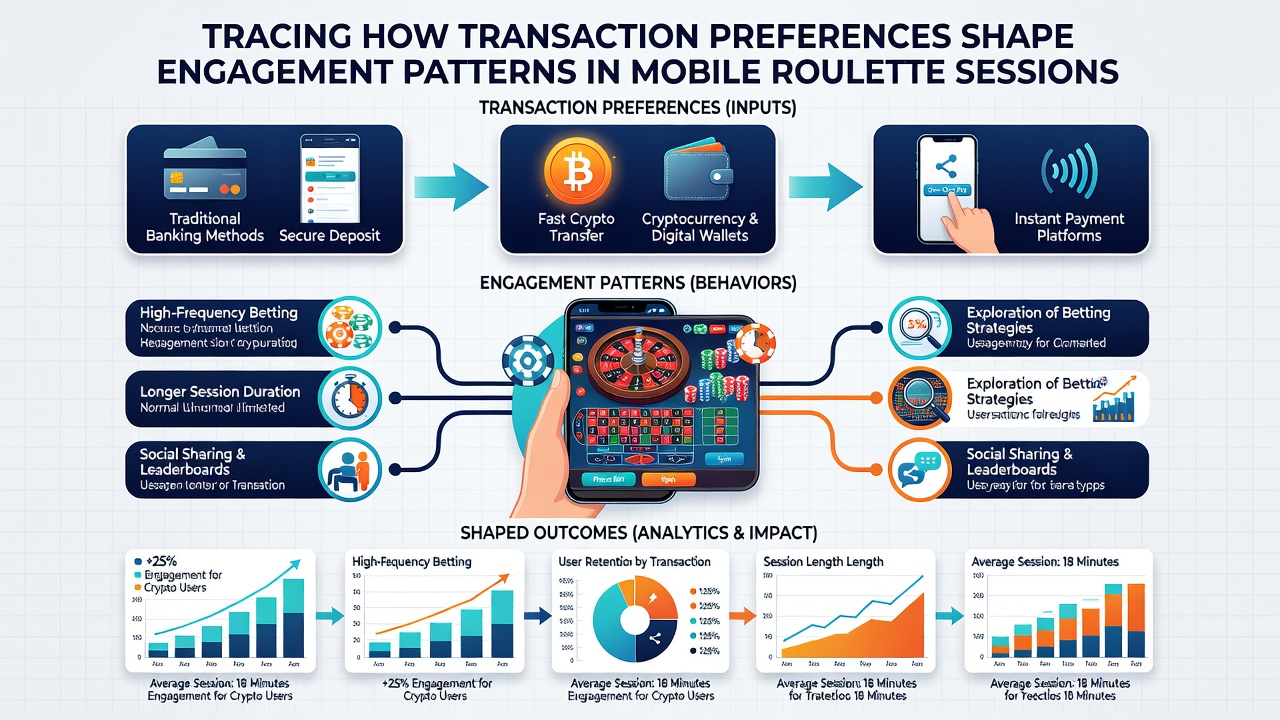
One study revealed that players who alternate between multiple payment types within the same month often maintain higher overall engagement rates than single-method users. This pattern holds across different age brackets and geographic segments, suggesting flexibility in funding sources supports sustained participation. Regulatory filings from Canadian provincial authorities and reports issued by the American Gaming Association provide supporting context for these observations in North American markets.
Regional and Platform Variations
European markets display distinct preferences compared with North American and Asia-Pacific regions, influenced by local banking infrastructure and consumer habits. In areas where open banking initiatives have expanded, direct account transfers see elevated usage and correspondingly different session pacing. Platform-specific implementations further modulate these effects, since some applications integrate deposit flows more seamlessly into the roulette interface than others. Aggregated industry reports released around June 2026 indicate continued monitoring of these regional divergences as new payment rails emerge.
Those who've examined cross-platform data note that loyalty program integration with certain transaction types can extend session engagement, particularly when rewards accrue instantly upon deposit. Such mechanics appear in multiple operator strategies without altering underlying game mathematics.
Conclusion
Transaction preferences continue to influence mobile roulette engagement through measurable effects on session continuity, frequency, and betting adjustments. Platform operators and researchers track these dynamics using anonymized datasets that capture both funding events and subsequent gameplay activity. As payment technologies advance, the relationships between deposit methods and player behavior remain subjects of ongoing analysis across multiple jurisdictions.