Regulatory Shifts Prompt New Payment Preferences Among Mobile Live Dealer Fans
Eden Peters · Aug 26, 2026
Regulatory Shifts Prompt New Payment Preferences Among Mobile Live Dealer Fans
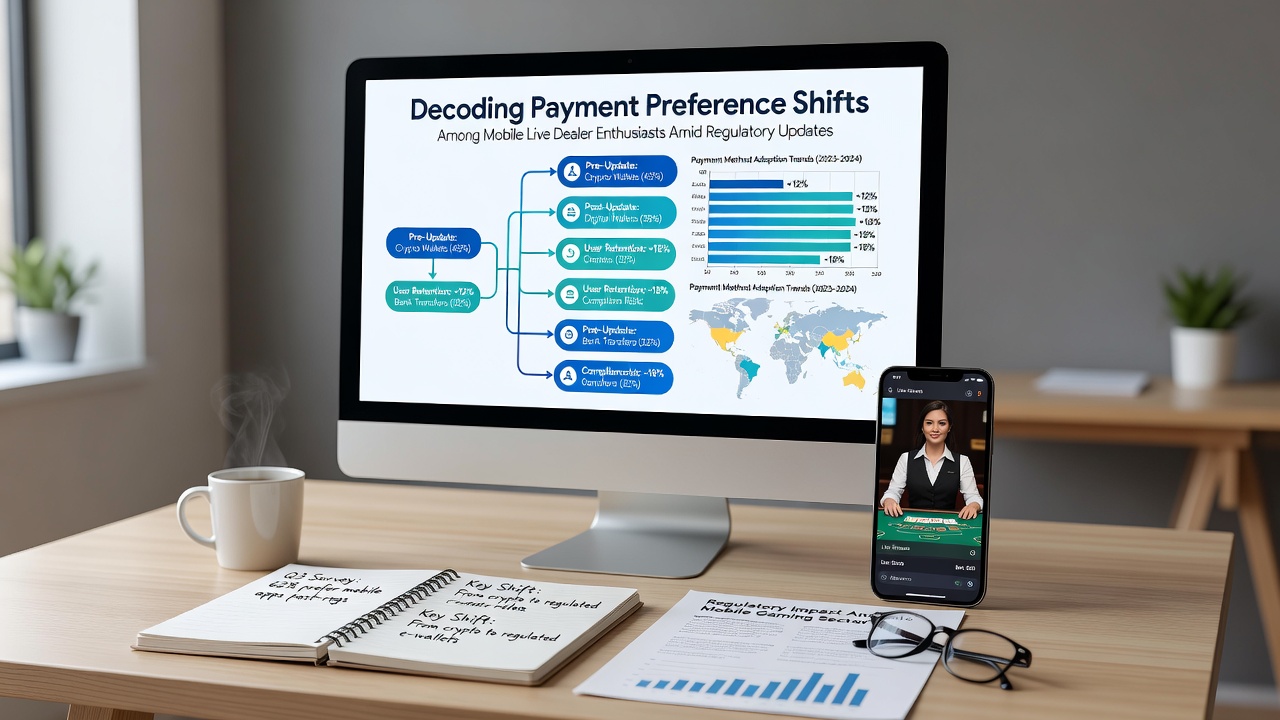
Regulatory updates across multiple jurisdictions have driven noticeable changes in how mobile live dealer enthusiasts handle payments, and data from industry tracking services shows increased adoption of digital wallets and bank transfers while credit card usage has declined in several markets since early 2025. Observers note that these adjustments coincide with new compliance requirements that emphasize transaction transparency and speed, leading platforms to expand supported methods accordingly.
Key Drivers Behind the Transition
Updated rules in regions such as parts of North America and Asia have introduced stricter verification steps for certain funding channels, which has encouraged users to explore alternatives that meet the revised standards without added friction. Studies from gaming research firms indicate that mobile live dealer sessions involving real-time table games like blackjack and roulette now see higher volumes processed through e-wallets, as these options often align better with the emphasis on instant confirmation and reduced intermediary layers.
One analysis released in August 2026 highlighted that transaction times for live dealer deposits dropped by an average of 40 percent when users switched from traditional cards to integrated mobile payment solutions, and this efficiency gain appears tied directly to regulatory pushes for faster settlement reporting. Experts tracking these patterns point to the need for platforms to maintain audit trails that satisfy both local authorities and international standards, prompting a broader rollout of options that support automated record-keeping.
Regional Patterns in Method Adoption
In markets where regulators have prioritized consumer protection measures, such as enhanced anti-money laundering protocols, payment preferences have shifted toward methods that offer built-in verification features. Data compiled by the Australian Communications and Media Authority reveals that mobile users engaging with live dealer content increasingly favor direct bank links over prepaid cards, with adoption rates rising steadily through the first half of 2026.
Meanwhile, in select European territories outside the United Kingdom, similar trends emerge where electronic fund transfers integrated with mobile apps have gained traction following policy tweaks that require clearer disclosure of fees and processing times. Those who monitor user behavior report that live dealer enthusiasts appreciate the seamless flow these methods provide during extended sessions, since interruptions for manual approvals have become less common.
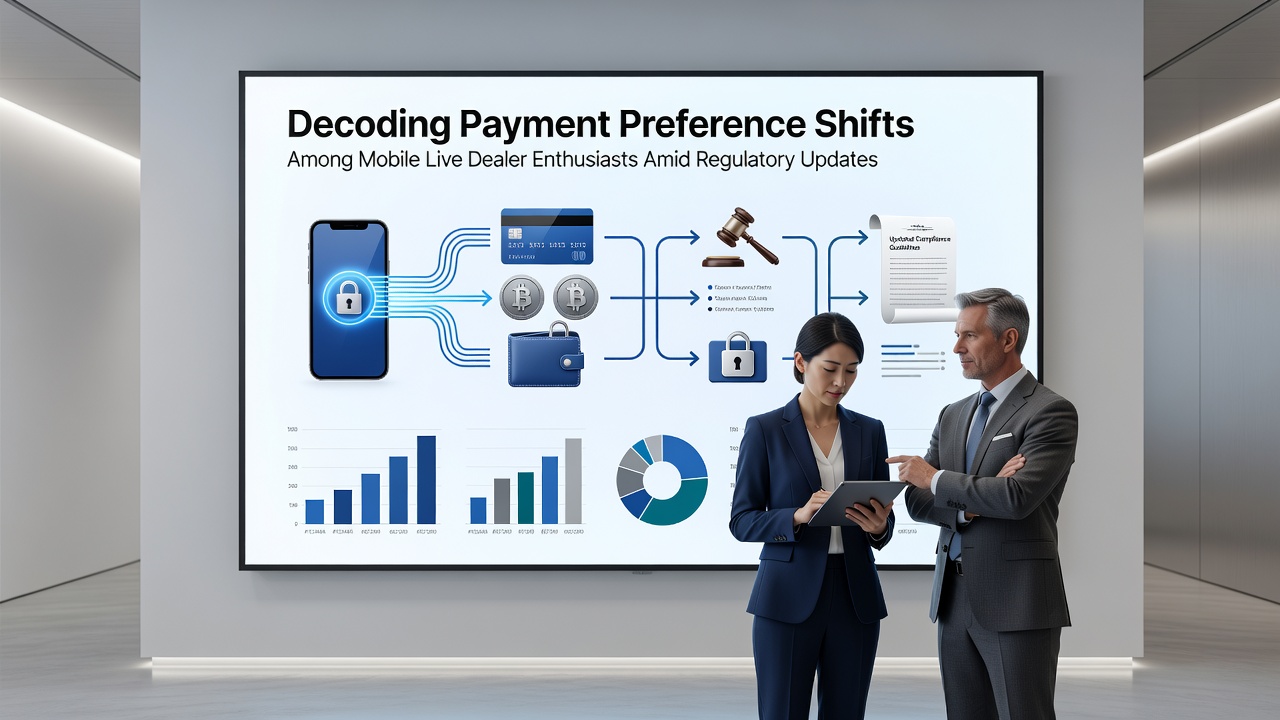
What's interesting is how these regional differences create varied landscapes, yet the overall movement toward diversified payment portfolios remains consistent. Platforms operating across borders have responded by standardizing support for multiple options, which allows users to select based on local rules without switching applications.
Impact on User Engagement Metrics
Retention figures from several major operators demonstrate that when payment flexibility increases alongside regulatory compliance, session lengths for mobile live dealer games tend to extend. Research indicates that enthusiasts who encounter fewer barriers during deposits maintain higher activity levels, particularly in games that demand quick top-ups between rounds.
One study released by a Canadian research institution found correlations between the availability of instant bank transfers and a 25 percent uptick in repeat participation among users in regulated provinces. These findings align with observations from operators who have updated their systems to accommodate the evolving requirements, showing that smoother financial pathways support sustained engagement without compromising security protocols.
Future Outlook Based on Current Data
Projections from industry associations suggest that continued regulatory refinement will further encourage integration of emerging payment technologies, such as those leveraging blockchain for enhanced traceability. As of August 2026, several jurisdictions are evaluating frameworks that could standardize digital asset usage in live dealer environments, potentially accelerating the shift away from legacy methods.
Observers tracking these developments note that platforms prioritizing adaptable payment infrastructures stand to benefit as rules continue to evolve, since users gravitate toward options that balance speed, security, and compliance. The ball remains in the court of both regulators and operators to refine these systems in ways that keep pace with user expectations.
Conclusion
Payment preference shifts among mobile live dealer enthusiasts reflect broader adaptations to regulatory updates that stress transparency and efficiency, with data pointing to rising use of digital wallets and bank integrations across key markets. These changes have produced measurable improvements in transaction speeds and user retention, while regional variations continue to shape the specific methods that gain favor. As frameworks develop further, the patterns observed through mid-2026 provide a clear view of how compliance requirements influence everyday choices in portable gaming settings.