Regional Policy Adjustments Influence Funding Method Preferences for Mobile Wheel Games
Eden Peters · Jun 14, 2026
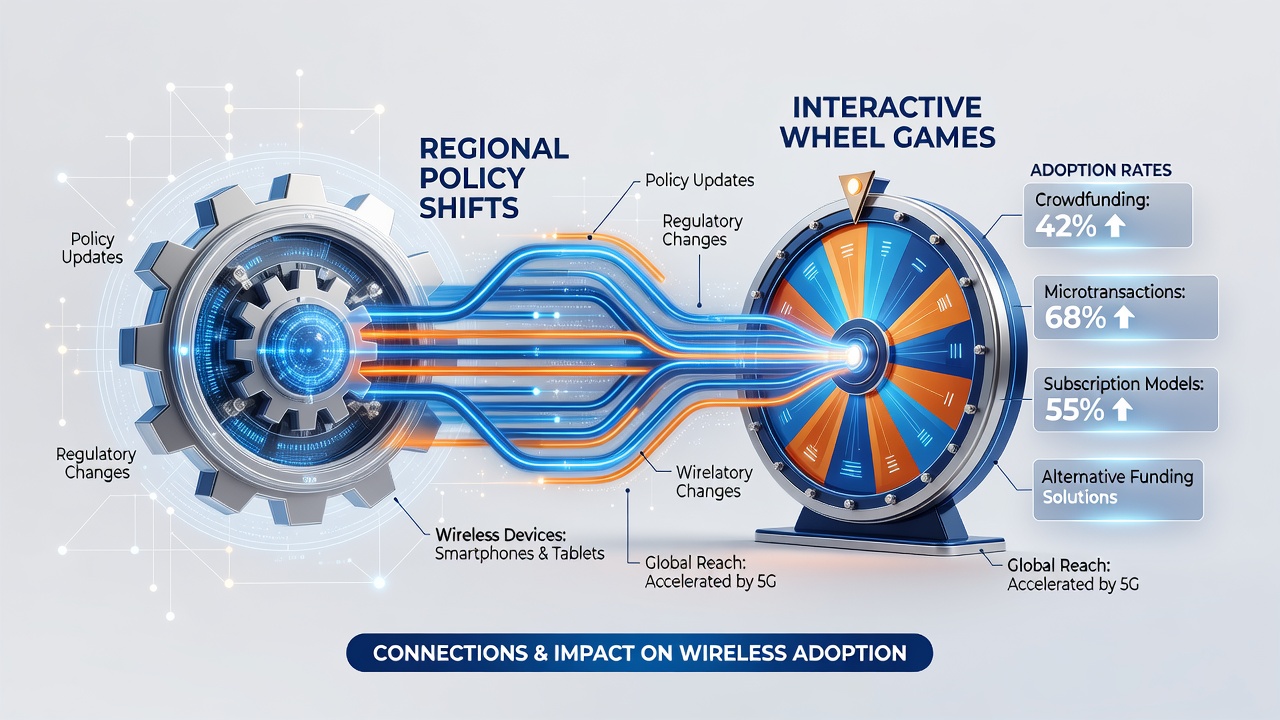
Regional Policy Adjustments Influence Funding Method Preferences for Mobile Wheel Games
Regional governments have adjusted gaming regulations in recent years, and these modifications connect directly to how users select payment options for interactive wheel games on wireless devices, with data showing measurable changes in adoption patterns for alternatives like digital wallets and tokenized transfers.
Policy Developments Across Key Markets
State-level decisions in the United States have created varied environments where mobile gaming operators adjust their supported funding channels, and observers note that areas with streamlined licensing processes see faster integration of non-traditional methods. In contrast, jurisdictions maintaining stricter oversight on transaction monitoring report slower uptake of certain digital alternatives, according to reports from the Nevada Gaming Control Board. European nations implemented updated directives on digital payments that affected how platforms handle funding for portable wheel-based experiences, leading to increased reliance on verified e-wallet systems in compliant markets.
Asian regulatory bodies introduced frameworks addressing cryptocurrency use in gaming, and these measures produced distinct adoption curves depending on the level of clarity provided to operators. Researchers tracking these shifts found that regions issuing clear guidelines by early 2026 recorded higher percentages of users switching to blockchain-linked solutions for real-time wheel game sessions on handheld devices.
Alternative Funding Solutions and Their Uptake
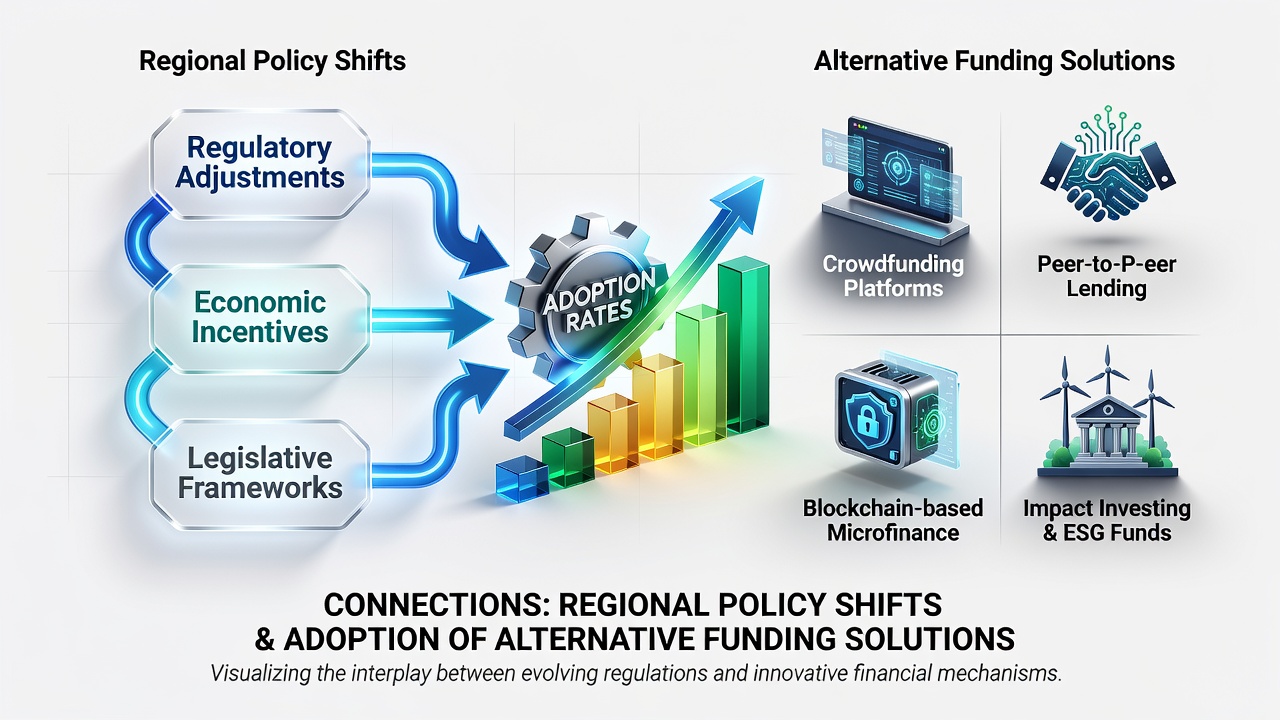
Alternative funding approaches encompass options such as prepaid digital cards, instant bank transfers, and decentralized ledger methods, each gaining traction at different rates based on local rules. Data indicates that policy changes easing restrictions on electronic fund movements correlate with broader acceptance of these channels among mobile users engaging in wheel games. Those who analyzed transaction logs from multiple platforms observed that jurisdictions relaxing verification requirements for smaller deposits experienced quicker transitions away from traditional card payments.
Patterns Observed in Mid-2026
By June 2026 several regulatory announcements across North American and European territories aligned with spikes in adoption for specific funding tools, and figures reveal that wireless device sessions involving wheel games showed elevated use of tokenized assets in areas where new compliance standards took effect. Industry organizations documented these trends through aggregated user data, highlighting how policy timing influenced operator decisions to prioritize certain payment integrations over others.
Geographic Variations in Adoption Rates
North American markets demonstrate uneven progress, with some provinces accelerating support for instant funding alternatives after legislative updates, while others maintain slower integration due to ongoing review processes. Australian authorities released updated consumer protection guidelines that prompted operators to expand options beyond conventional banking rails, and statistics from the Australian Communications and Media Authority show corresponding rises in digital wallet usage for interactive gaming activities on mobile platforms. Canadian provinces followed similar trajectories, where policy harmonization efforts produced measurable increases in tokenized transfer volumes for wheel game applications.
Observers tracking cross-border patterns note that alignment between payment regulations and gaming rules tends to accelerate adoption, whereas fragmented approaches create delays. One study from an academic research group at a European university examined data sets spanning multiple territories and identified consistent links between the timing of policy announcements and subsequent user migration toward alternative solutions.
Data Correlations and Industry Responses
Quantitative analyses connect specific regulatory adjustments to percentage shifts in funding method preferences, and these findings come from aggregated platform reports rather than isolated cases. Operators respond by updating their systems to accommodate emerging preferences, which in turn supports higher engagement levels for wireless wheel game formats. Evidence suggests that regions introducing tax incentives tied to compliant payment technologies see accelerated rollout of those features, while areas without such measures lag behind in adoption metrics.
Trade associations have compiled comparative studies across jurisdictions, revealing that policy clarity around alternative funding reduces friction for users accessing interactive content on portable devices. These reports emphasize measurable outcomes such as transaction speed improvements and expanded user bases in markets that synchronized gaming and financial rules effectively.
Conclusion
Connections between regional policy shifts and funding solution adoption for mobile wheel games continue to evolve as new regulations emerge, with available data providing clear indicators of how these elements interact across different territories. Continued monitoring by regulatory bodies and research institutions will track further developments in these patterns.