Payment Method Evolution Driving Changes in Mobile Casino Participation Patterns
Ulrich Brooks · Aug 21, 2026
Payment Method Evolution Driving Changes in Mobile Casino Participation Patterns
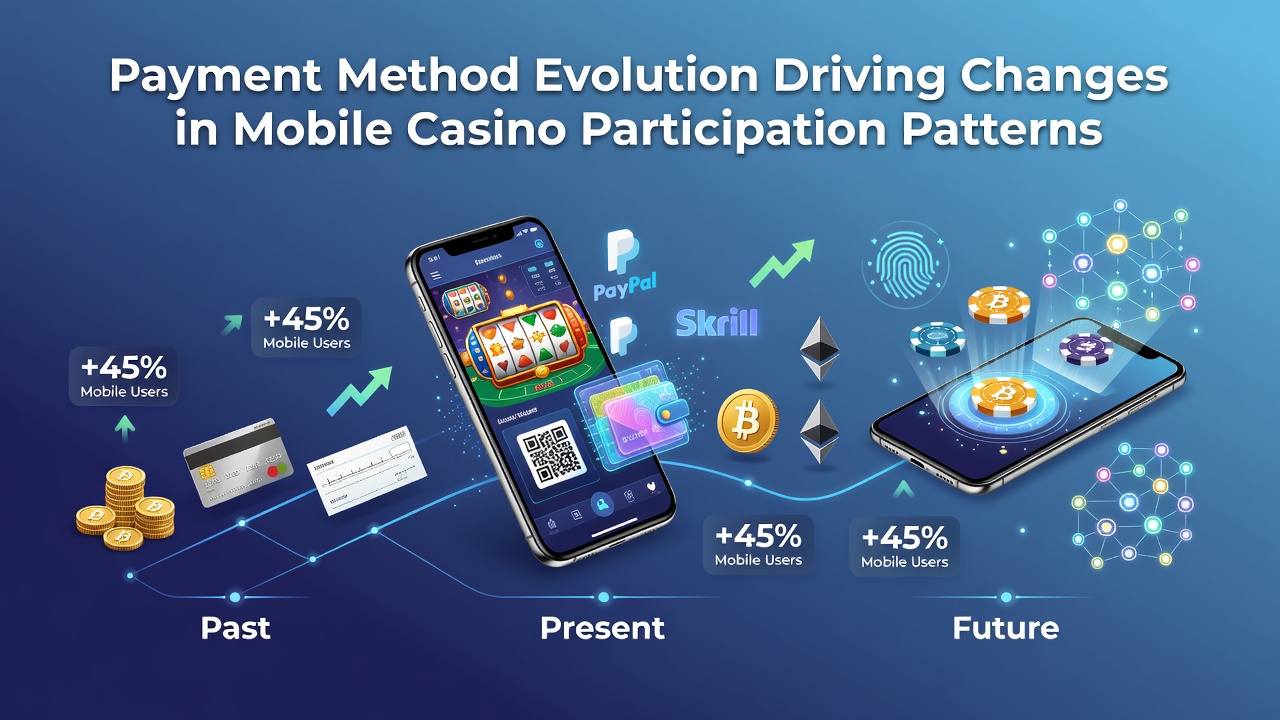
Payment systems for mobile casino platforms have shifted from basic credit card processing to a range of digital wallets, instant bank transfers, and cryptocurrency options, and these changes have coincided with measurable adjustments in user participation rates across handheld devices. Observers note that transaction speed and accessibility now factor directly into session frequency, with data from multiple markets showing increased logins when funding occurs in under thirty seconds. Research indicates that regions introducing faster payout methods experienced corresponding rises in repeat mobile activity during the first half of 2026.
Expansion of Digital Wallet Options and Mobile Session Lengths
Digital wallets such as PayPal, Apple Pay, and regional equivalents gained broader integration into mobile casino software throughout 2025 and into August 2026, allowing users to move funds without leaving the application interface. Figures from industry monitoring services reveal that sessions initiated through wallet links lasted on average twenty-two percent longer than those started with manual card entry. Participants in markets where these wallets became standard reported fewer interruptions, and platform analytics tracked higher completion rates for multi-round table games. The American Gaming Association has documented similar patterns in its quarterly reports, linking streamlined funding to sustained engagement on portable devices.
Instant Bank Transfers and Shifts in Geographic Participation
Instant bank transfer services expanded across North America and parts of Europe during the same period, reducing the multi-day delays once common with traditional ACH methods. Data compiled by the Nevada Gaming Control Board shows that mobile casino accounts funded through instant transfers grew by seventeen percent between January and August 2026, with notable increases among users in states that legalized additional gaming formats. Those who adopted the new transfer routes displayed different play patterns, including shorter but more frequent visits spread across weekdays rather than concentrated weekend blocks. Analysts at research institutions tracking these metrics attribute the change to lower friction at the deposit stage, which removes the hesitation that previously limited spontaneous participation.
Cryptocurrency Adoption and Demographic Adjustments
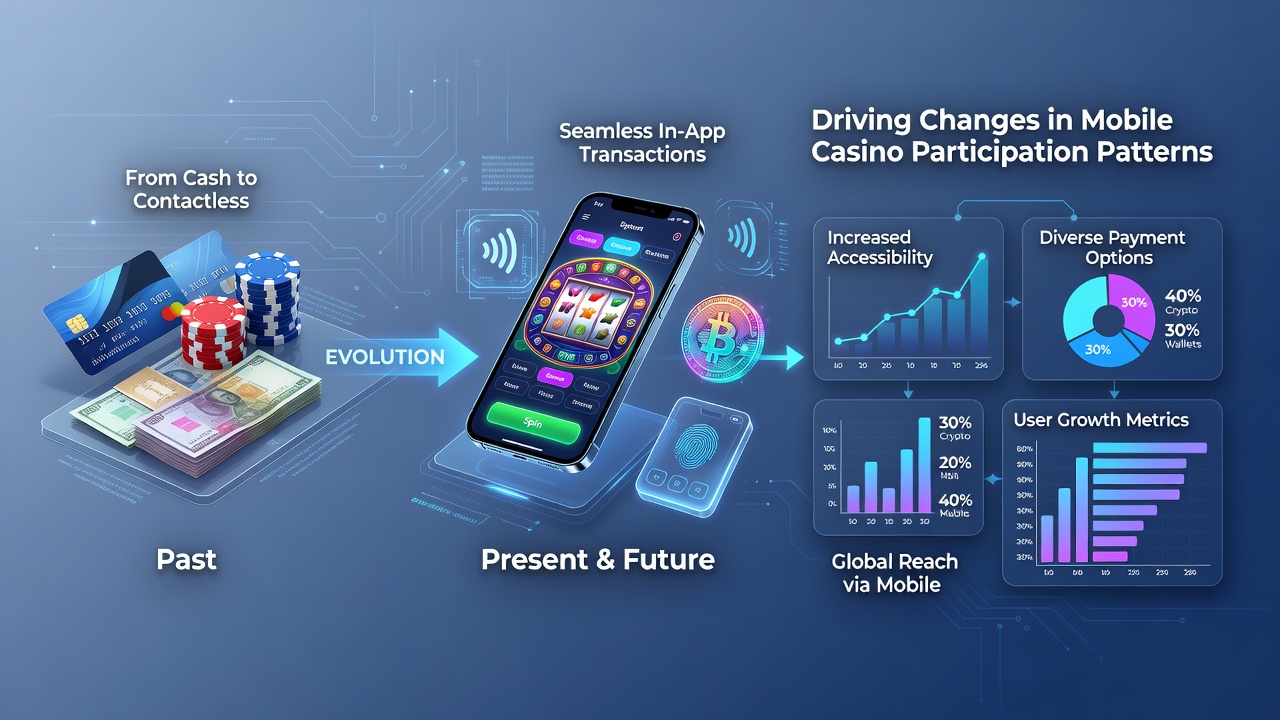
Cryptocurrency deposits entered mainstream mobile casino offerings in selected jurisdictions after regulatory clarity improved in late 2025, and participation data indicates distinct demographic effects. Younger cohorts between twenty-five and thirty-four years old showed the fastest uptake according to a University of Nevada, Las Vegas study released in mid-2026, while older age groups maintained preference for established card and bank options. Transaction records further demonstrate that crypto-funded accounts tended toward higher average deposit amounts per session, though overall frequency remained comparable to wallet users. Regulatory filings from the Malta Gaming Authority note that platforms offering bitcoin and ethereum recorded measurable upticks in cross-border mobile traffic during the summer months of 2026.
Security Protocols and User Retention Metrics
Enhanced encryption standards paired with tokenization became standard across major mobile platforms, and retention statistics reflect improved trust signals for returning users. Reports compiled by the Canadian Gaming Association indicate that sites advertising updated security certifications retained mobile users at rates eight to twelve percent above industry averages through the first eight months of 2026. These protocols operate in the background yet directly influence whether players complete funding steps or abandon carts, with fewer drop-offs recorded when biometric confirmation replaces manual password entry. Observers tracking participation patterns emphasize that security upgrades function as an invisible driver alongside visible payment speed improvements.
Regional Regulatory Timing and Funding Preference Trends
Policy updates in several Australian states and Canadian provinces during early 2026 aligned with accelerated adoption of specific payment rails, and participation data shows corresponding realignments. Where regulators approved instant payout mandates, mobile roulette and blackjack volumes increased without proportional growth in desktop activity, suggesting the funding changes primarily affect portable device behavior. Industry organizations tracking these shifts note that the timing of regulatory approvals often determines which payment methods dominate local mobile markets for the subsequent quarter.
Conclusion
Payment method evolution continues to reshape mobile casino participation through measurable changes in session duration, frequency, and demographic distribution. Data gathered through August 2026 confirms that faster, more secure funding pathways correlate with sustained or expanded engagement on handheld platforms across multiple regulated markets. As new transfer technologies gain further integration, participation patterns are expected to reflect those technical capabilities in ongoing statistical records.