Patterns in Player Selection of Digital Wallet Services for Seamless Transitions Between Slot Machines and Dealer Interactions on Mobile Platforms
Riley Werner · Jun 28, 2026
Patterns in Player Selection of Digital Wallet Services for Seamless Transitions Between Slot Machines and Dealer Interactions on Mobile Platforms
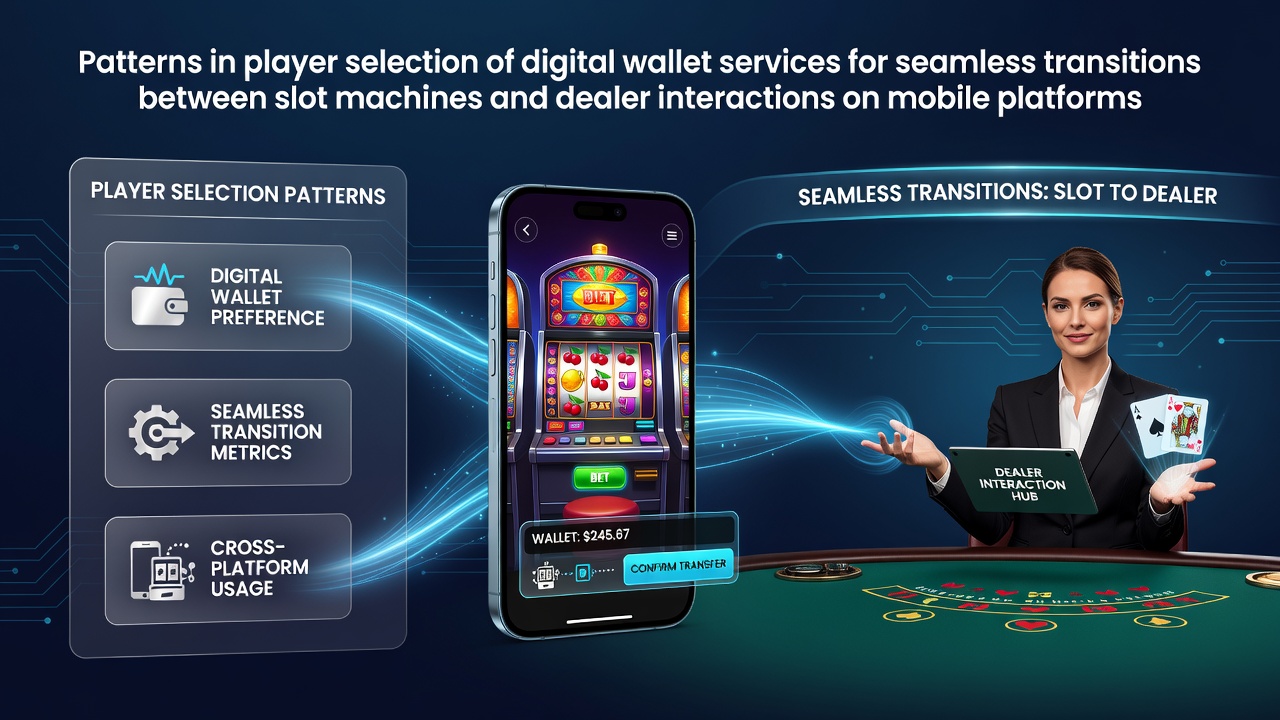
Players on mobile platforms continue to demonstrate distinct preferences when selecting digital wallet services that support quick shifts between automated slot sessions and interactive dealer-led games, with usage data reflecting consistent patterns across multiple markets. Research from industry tracking services shows that selection often centers on transaction speed, multi-game compatibility, and security features that maintain session continuity without interruptions.
Core Factors Driving Wallet Choices
Compatibility stands out as a primary driver, since users frequently move between slot interfaces that process rapid spins and dealer environments requiring real-time verification for card or table actions. Data indicates that wallets supporting instant deposits and withdrawals across both formats see higher retention rates, particularly on devices running iOS and Android operating systems. Those who've studied transaction logs note that services offering unified authentication reduce friction during these switches, allowing players to maintain focus on gameplay rather than repeated logins or funding steps.
Security protocols also influence decisions, with end-to-end encryption and two-factor confirmation becoming standard expectations. Reports compiled through June 2026 highlight how players gravitate toward wallets that integrate biometric options, such as fingerprint or facial recognition, which streamline access during live dealer exchanges that demand precise timing. According to findings from the Nevada Gaming Control Board, these features correlate with fewer abandoned sessions in mobile table environments.
Geographic and Demographic Variations
Selection patterns differ by region, where North American users often prioritize wallets linked to established banking networks for larger transfer limits, while European and Asian markets show stronger adoption of cryptocurrency-enabled options for cross-border play. A study released by the University of Nevada, Las Vegas Center for Gaming Research found that younger demographics favor wallets with built-in rewards programs that apply across both slots and dealer tables, creating incentives for repeated use within the same platform. Observers note that these rewards sometimes include fee waivers or loyalty points transferable between game types, which encourage seamless movement without additional costs.
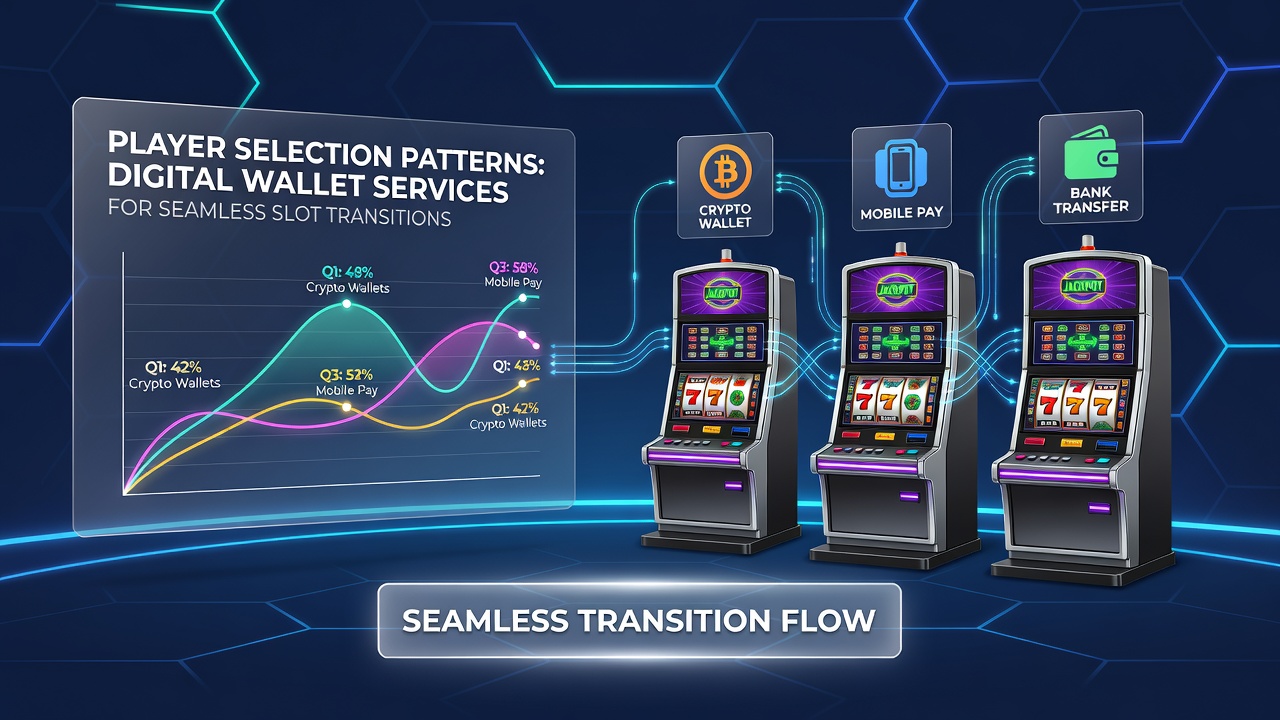
Transaction volume data further reveals that wallets with lower minimum deposit thresholds attract users who alternate frequently between low-stakes slots and higher-limit dealer interactions. This flexibility supports varied betting styles within a single session, and figures from multiple operators confirm that such versatility contributes to longer overall playtimes on handheld devices.
Technical Integration and Platform Support
Technical compatibility with game providers plays a measurable role, since certain wallets embed directly into mobile applications used by major software developers. Integration allows automatic balance updates when shifting from slot reels to dealer video feeds, minimizing delays that could disrupt momentum. Evidence from operator analytics shows that platforms employing these embedded solutions report higher completion rates for multi-game sequences compared to those relying on external redirects.
Users also consider fee structures tied to transaction types, with many opting for services that waive charges on internal transfers between game categories. This approach proves especially relevant in environments where players test strategies across slots and dealer tables in quick succession, as repeated small movements can accumulate costs otherwise.
Trends Observed Through Mid-2026
Tracking through June 2026 points to growing interest in wallets that support offline verification features, enabling continued play even during brief connectivity lapses common on mobile networks. Such capabilities help maintain transitions without requiring full reconnections, and operators have begun highlighting these options in user guides. Patterns also indicate rising use of multi-currency support, which benefits international players moving between regional game servers that handle different denominations.
Conclusion
Overall, the documented patterns reflect a focus on efficiency, security, and cross-format functionality in digital wallet selection for mobile gaming. Continued monitoring of these trends provides operators and developers with insights into how funding tools can better align with player movement between automated and live dealer content on portable devices.