Observing How Age Verification Systems Shape Initial Access Patterns in Regulated App-Based Spinning Reel Platforms
Gisela Walter · Jul 24, 2026
Observing How Age Verification Systems Shape Initial Access Patterns in Regulated App-Based Spinning Reel Platforms
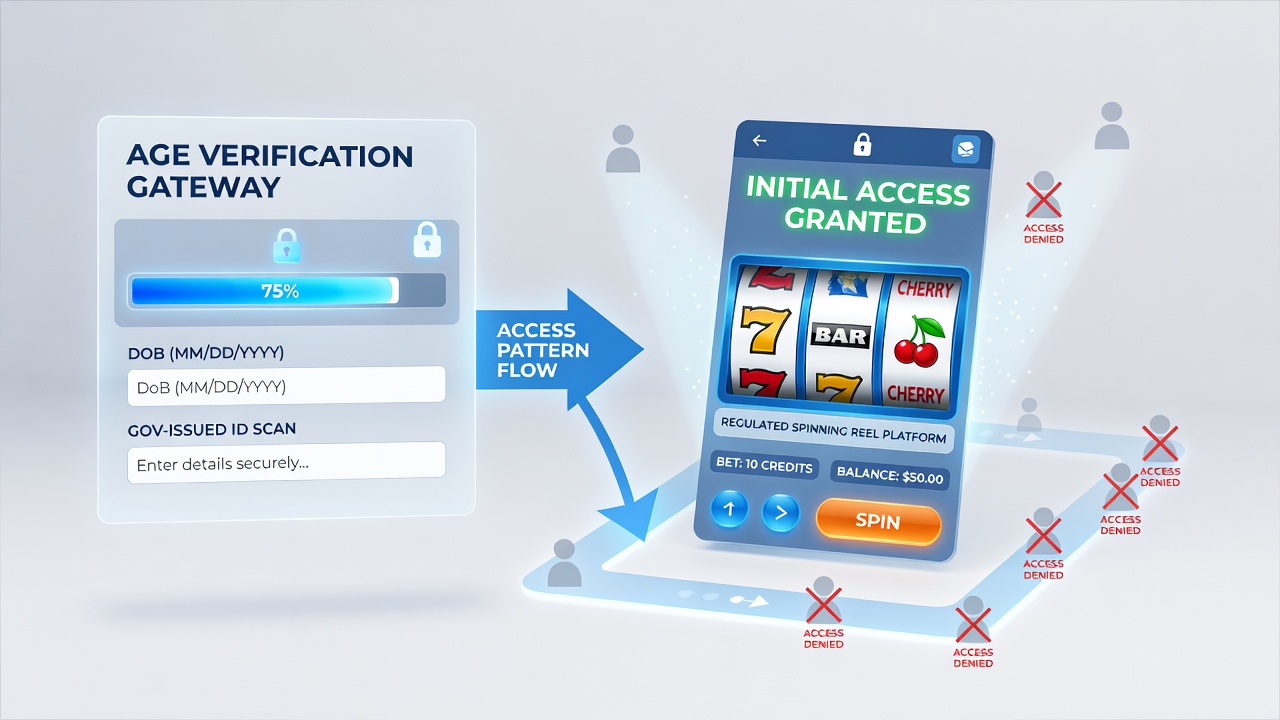
Regulated app-based spinning reel platforms rely on age verification systems to gate initial access, and these mechanisms directly influence how users begin their interaction with licensed slot applications. Data from multiple jurisdictions indicates that verification steps often occur at the registration or first deposit stage, creating measurable shifts in completion rates and demographic entry points. In July 2026 observers noted continued refinement of these protocols across North American markets as operators integrated additional biometric options alongside traditional document uploads.
Core Components of Age Verification in Mobile Slot Environments
Age verification typically combines government-issued identification checks with facial recognition or address validation services, and these layers determine whether an applicant gains entry to spinning reel content. Studies from regulatory bodies reveal that applicants who complete verification within the first session show higher retention into actual gameplay, whereas those who encounter delays often abandon the process before accessing any reels. The New Jersey Division of Gaming Enforcement tracks these patterns through mandatory reporting, and its figures show verification success rates hovering near 78 percent for mobile users when systems combine automated document scanning with real-time database cross-checks.
Platforms must balance speed with compliance, and this tension shapes access patterns because lengthy verification flows increase drop-off among younger eligible users who expect instant onboarding similar to non-gaming apps. Research conducted by the Alcohol and Gaming Commission of Ontario demonstrates that streamlined flows using national ID databases reduce average verification time to under 90 seconds, resulting in a 14 percent increase in completed first sessions compared with manual review methods.
Regional Variations in Verification Requirements and User Entry
State and provincial rules differ in required verification depth, which produces distinct access patterns across regulated markets. In New Jersey and Pennsylvania, operators must verify age and location before any real-money spinning reel play begins, whereas some Canadian provinces allow limited free-to-play access before full verification. This distinction affects initial user behavior because jurisdictions with earlier verification gates record lower percentages of incomplete registrations. July 2026 updates from Ontario regulators highlighted an expansion of digital wallet-linked verification that further reduced friction for returning users while maintaining strict controls on new accounts.
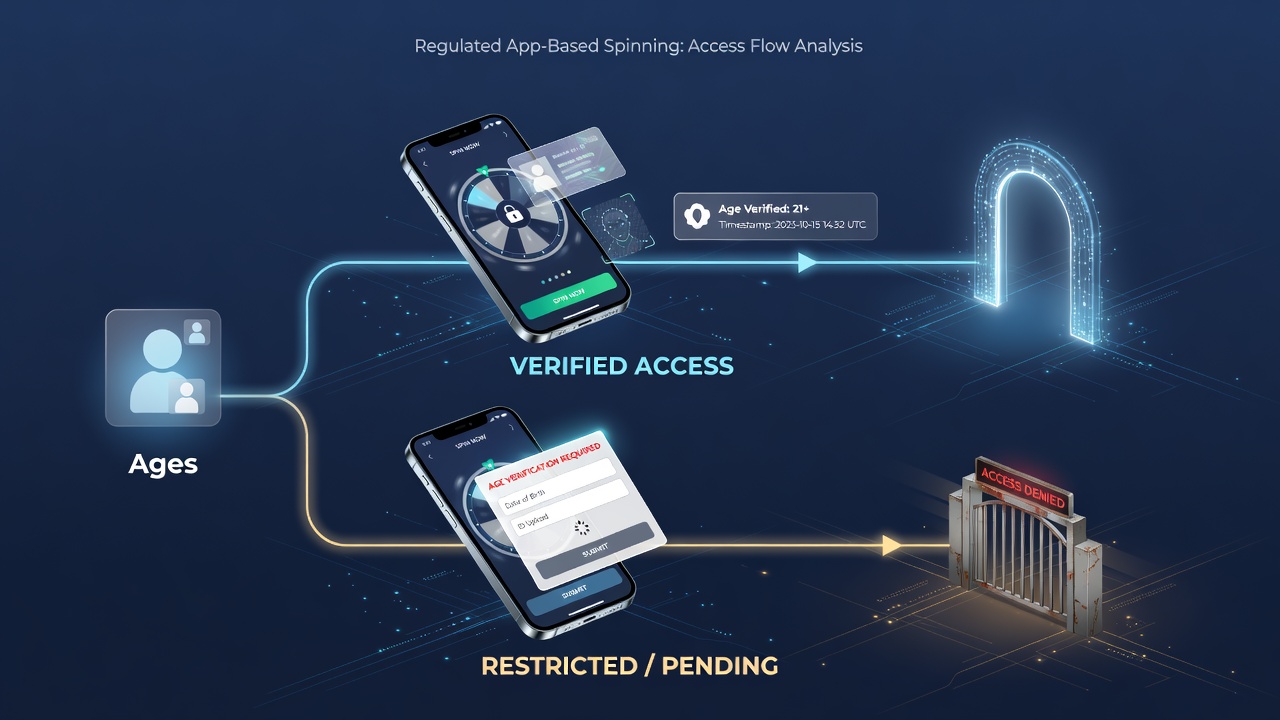
European markets outside the United Kingdom apply similar standards through national licensing authorities, and data collected by those bodies shows comparable abandonment rates when verification requires multiple manual steps. Operators in these regions have responded by adopting shared verification services that allow users to carry verified status across multiple licensed platforms, thereby shortening subsequent access times once the initial check clears.
Impact on Demographic Access and Platform Metrics
Verification systems influence which age groups successfully enter regulated spinning reel applications, with data indicating that users aged 25 to 34 complete the process at higher rates than those aged 18 to 24. This pattern emerges because younger adults often lack readily available physical identification documents or experience more issues with address mismatches during automated checks. Platform analytics shared with regulators demonstrate that once verification succeeds, these younger cohorts engage with spinning reels at rates similar to older groups, suggesting the barrier sits primarily at entry rather than during gameplay.
Geolocation requirements tied to verification add another layer that affects access patterns, particularly for users near state borders or traveling internationally. Systems that combine IP checks with device GPS data create additional hurdles, and operators report that temporary location mismatches account for a notable share of verification failures each month. Those who study these systems note that clearer user guidance on location settings improves completion rates without compromising regulatory standards.
Technical Integration and Future Adjustments
Many platforms now embed verification directly into the app onboarding flow, using APIs that connect to state databases or third-party identity providers. This integration reduces context switching for users and supports faster initial access once documents clear. Industry reports from the American Gaming Association indicate that operators investing in these seamless connections observe lower support ticket volumes related to verification issues, which in turn frees resources for other compliance tasks.
As biometric options expand, observers expect further shifts in access patterns because facial recognition can replace document uploads for returning users. July 2026 pilot programs in select U.S. states tested these methods on spinning reel apps and recorded verification times dropping below 30 seconds for previously approved accounts. Regulators continue to monitor accuracy rates to ensure these technologies do not inadvertently block eligible users.
Conclusion
Age verification systems continue to define the first moments of user interaction with regulated app-based spinning reel platforms, and available data shows clear connections between verification design and successful entry rates. Jurisdictions that refine these processes while preserving compliance requirements demonstrate measurable improvements in onboarding completion. Continued technical evolution, including broader biometric adoption and shared verification databases, points toward further refinements in how initial access patterns develop across different markets.