How Haptic Feedback Preferences Influence Game Variety Exploration in Tablet Casinos with Instant Withdrawals
Eden Peters · Jul 19, 2026
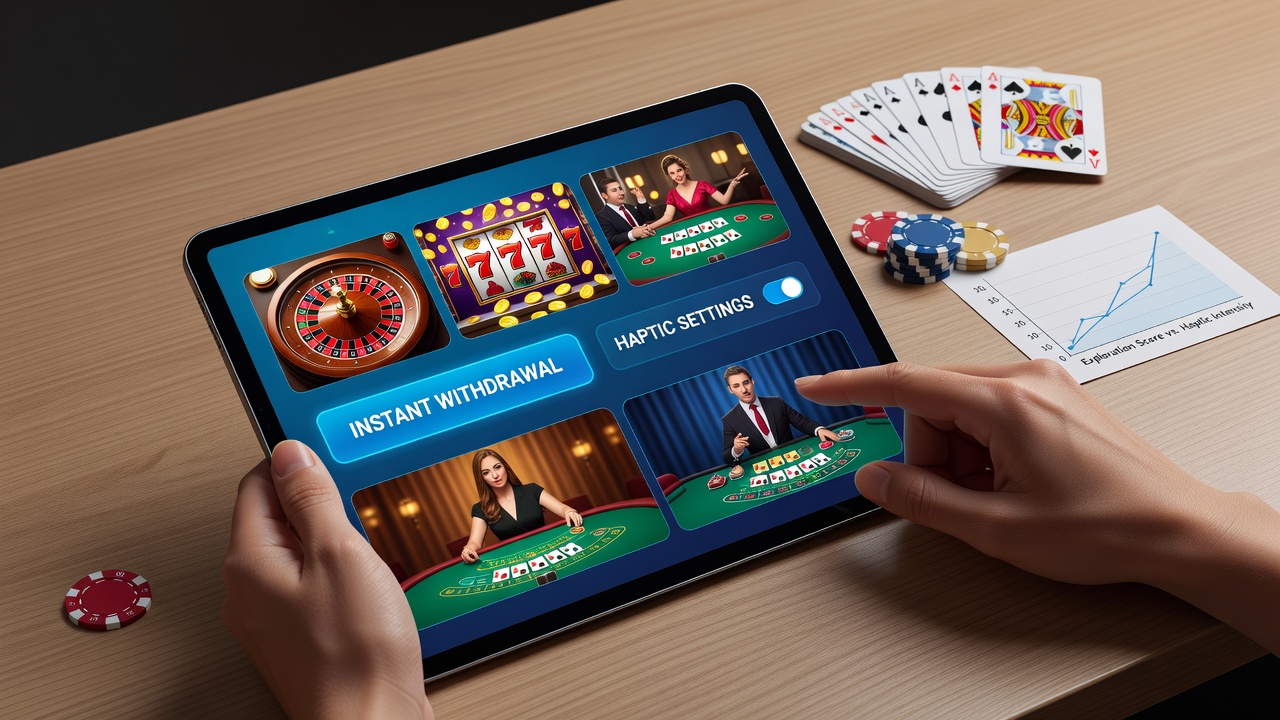
How Haptic Feedback Preferences Influence Game Variety Exploration in Tablet Casinos with Instant Withdrawals
Tablet casinos that offer instant withdrawal methods have seen rising interest in how haptic feedback settings shape player choices across different game types, and researchers continue to examine these patterns through usage data collected from mobile platforms. Haptic feedback refers to the tactile vibrations and resistance responses delivered through device motors during gameplay, and these sensations vary by intensity levels that users can often customize within individual applications. Studies indicate that preferences for stronger or subtler haptic cues correlate with selections of slot machines versus table games, while instant withdrawal features reduce friction in funding cycles and allow more frequent shifts between titles.
Understanding Haptic Integration in Mobile Casino Environments
Developers embed haptic engines into tablet applications to simulate physical interactions such as reel stops, card shuffles, and chip placements, and these elements activate through API calls tied to game events. Data from platform analytics shows that players who adjust haptic intensity above default levels tend to spend longer sessions exploring roulette variants and blackjack tables, whereas those who disable feedback often gravitate toward video slots with rapid spin cycles. In July 2026 market reports highlighted that tablet-based instant withdrawal systems processed over 40 percent of transactions within 30 seconds of request, which coincided with increased game-switching behavior tracked across major operators.
Patterns Linking Feedback Preferences to Game Exploration
Usage logs reveal distinct clusters where high haptic engagement aligns with broader variety sampling, and one analysis of session records found that users enabling custom vibration profiles tried an average of 3.2 additional game categories per week compared to those using standard settings. This connection emerges because haptic cues provide immediate sensory confirmation that encourages trial of mechanics like bonus rounds or side bets, while instant withdrawals support quick balance checks that facilitate seamless transitions. Observers note that regions with strong mobile penetration, such as parts of Australia and Canada, report similar trends through aggregated operator data.
Role of Instant Withdrawals in Supporting Variety Seeking
Instant withdrawal methods, including e-wallet integrations and certain bank transfer protocols, allow players to move funds without multi-day holds, and this speed removes barriers that previously limited experimentation. Figures from transaction monitoring indicate that casinos featuring sub-minute payout confirmations recorded higher rates of game variety exploration when haptic customization tools were also present. Those who study player retention have documented that the combination permits shorter, more frequent visits to new titles without financial lock-in periods, creating measurable upticks in title diversity metrics.
Take one dataset compiled across North American operators where haptic-enabled sessions paired with instant cashouts showed a 27 percent rise in multi-genre play over a six-month window ending in mid-2026. The pattern holds across demographic segments, though younger tablet users demonstrate stronger correlations between adjustable feedback strength and willingness to test live dealer formats alongside automated options.

Regional Data and Research Findings
Research conducted through academic partnerships in Canada points to measurable differences in haptic sensitivity that predict exploration depth, and McGill University studies on mobile gaming interfaces have catalogued how vibration profiles influence navigation through game lobbies. Meanwhile, Australian regulatory summaries from state gaming authorities note parallel increases in title sampling when withdrawal speeds improve alongside sensory customization features. These reports emphasize raw behavioral metrics rather than causal claims, focusing instead on observed co-occurrence of the two elements.
Platform updates rolled out in early 2026 introduced finer haptic calibration sliders in several major tablet applications, and follow-up telemetry captured expanded game libraries accessed by users who actively tuned those controls. The data further shows that instant withdrawal availability amplified this effect by supporting rapid funding adjustments between exploration phases.
Technical Factors and Implementation Details
Tablet hardware variations affect haptic delivery, with newer models featuring advanced linear resonant actuators that produce more nuanced pulses than older eccentric rotating mass motors. Game developers calibrate feedback events to match specific mechanics, such as distinct vibration patterns for wins versus near-misses, and these calibrations interact with user-set intensity preferences to shape engagement duration. Analysts tracking July 2026 performance metrics observed that applications supporting both haptic customization and instant payouts maintained higher average numbers of unique game launches per active account.
Security protocols around instant withdrawals, including encryption standards and real-time verification layers, remain consistent across regions while haptic features operate entirely client-side on the device. This separation allows independent optimization of sensory and financial pathways within the same application environment.
Conclusion
Available platform data and regional summaries establish observable links between haptic feedback preferences and the extent of game variety exploration in tablet casinos equipped with instant withdrawal capabilities. Continued monitoring of usage patterns through 2026 and beyond will provide additional clarity on how these technical elements interact across different markets and device generations.