Exploring Connections Between Visual Effects in Mobile Slot Applications and Deposit Frequency Among Users
Riley Werner · Aug 7, 2026
Exploring Connections Between Visual Effects in Mobile Slot Applications and Deposit Frequency Among Users
Visual Design Trends in Mobile Slot Platforms
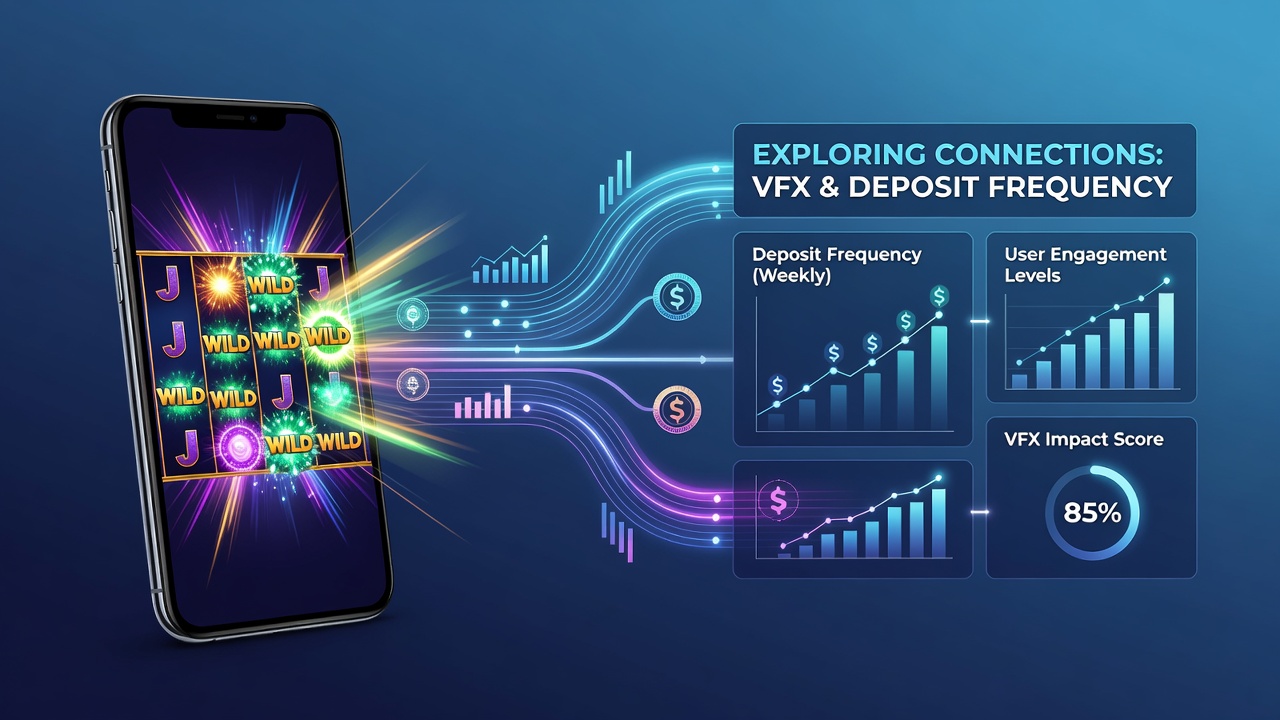
Mobile slot applications feature layered animations, particle systems, and dynamic color transitions that activate during spins and bonus rounds, while developers integrate these elements to maintain user attention across extended sessions. Data from platform analytics in August 2026 indicate that titles with high-intensity visual sequences record elevated interaction metrics compared to simpler designs, and these patterns align with shifts in deposit timing among active accounts.
Researchers tracking user behavior across multiple operators note that reel spins accompanied by cascading light effects and expanding wild symbols often precede deposit prompts, whereas static interfaces show steadier but lower engagement curves. Industry reports compiled by the New Jersey Division of Gaming Enforcement highlight how real-time rendering adjustments on handheld devices correlate with session length variations, and operators adjust asset complexity accordingly.
Patterns Linking Effects to Deposit Activity
Studies examining transaction logs reveal that users encountering frequent visual triggers during free spin sequences complete deposits at higher rates within the same session, and this connection appears stronger in applications that synchronize audio cues with on-screen particle bursts. Observers note that color saturation changes and multiplier animations create feedback loops that encourage continued play, which in turn influences the decision to add funds before a session ends.
One analysis of portable gaming modules found that deposit frequency rose when visual effects included progressive reveal mechanics, such as expanding treasure chests or multiplier ladders, while users exposed to minimal animations maintained more consistent but infrequent funding intervals. These observations come from aggregated data sets that control for game volatility and bonus structures, allowing clearer isolation of design variables.
Research Findings and Regional Data
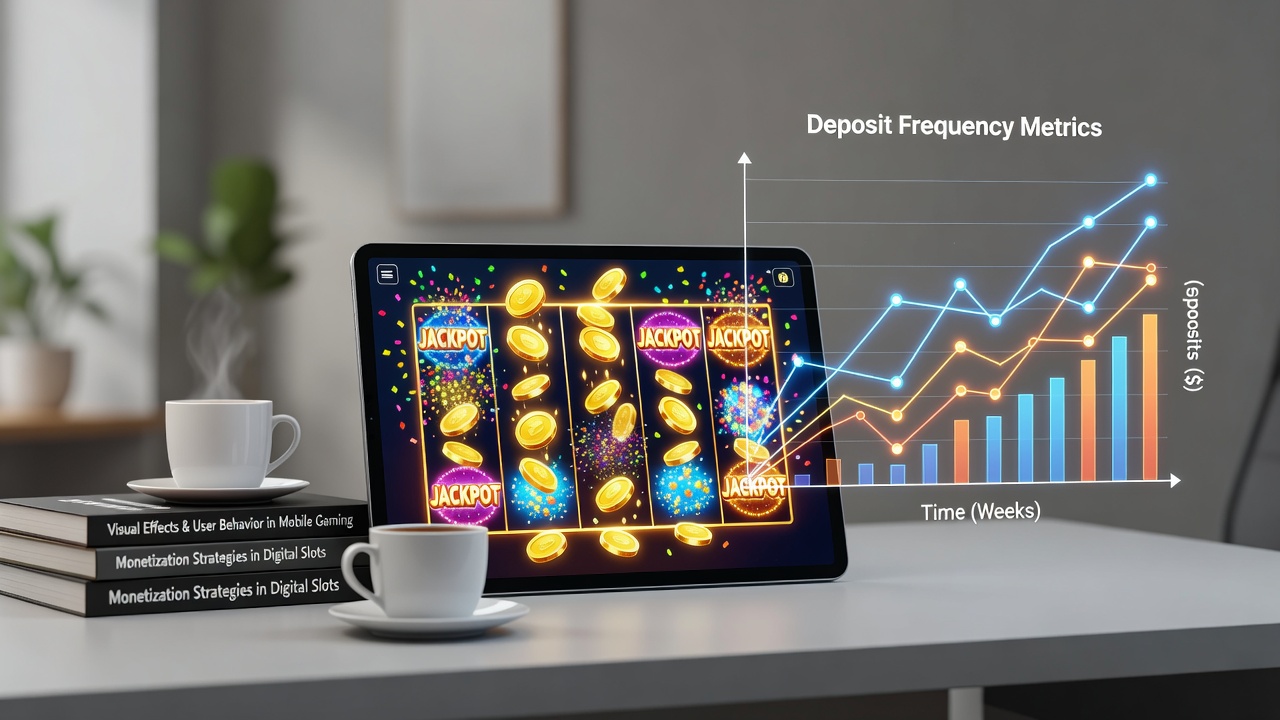
Academic examinations conducted through partnerships with gaming technology labs show measurable differences in deposit intervals when visual complexity increases, and these differences hold across demographic segments tracked in North American markets. Reports from the Australian Gambling Research Centre document similar trends in handheld slot environments, where enhanced animation density corresponded to shorter gaps between funding events during peak evening hours.
Platform operators in regulated jurisdictions have adjusted rendering settings based on these correlations, testing reduced particle counts during certain time windows to observe subsequent changes in user behavior. Figures released in mid-2026 indicate that applications balancing visual richness with performance stability maintain steadier deposit rhythms, whereas overly demanding effects sometimes lead to session abandonment before funding occurs.
Technical Implementation and User Response
Developers employ GPU-optimized shaders and compressed texture atlases to deliver smooth visual sequences without excessive battery drain, and this technical balance supports longer play periods that often precede deposit actions. Data indicates that users respond to sequential visual escalations, such as building light trails during winning combinations, by extending sessions and initiating additional transactions at predictable points.
Case examinations of specific titles reveal that incremental effect upgrades, introduced through update cycles, coincided with shifts in average deposit frequency among returning accounts, while control groups using legacy visual assets showed stable patterns. These shifts occurred independently of promotional offers, suggesting the design elements themselves contribute to behavioral variations.
Regulatory Context and Industry Monitoring
Regulatory bodies continue to review how visual presentation influences engagement metrics, and guidelines emerging in several jurisdictions emphasize transparency around design features that may affect spending cadence. As of August 2026, monitoring programs in multiple regions track correlations between animation intensity and funding events to inform future compliance frameworks.
Operators share anonymized data sets with research institutions to refine understanding of these dynamics, and collaborative studies focus on isolating visual variables from other game mechanics. This approach yields clearer insights into how specific effects interact with user decision points during mobile sessions.
Conclusion
Available evidence establishes measurable connections between visual effect implementation and deposit frequency patterns in mobile slot applications, with multiple data sources confirming that animation density, color dynamics, and reveal mechanics influence session progression and funding timing. Continued analysis through regulatory reports and academic partnerships supports ongoing refinement of design practices, while regional data from August 2026 onward provides additional benchmarks for evaluating these relationships across different markets and device types.