Examining the Influence of Auditory Cues on Decision-Making Processes in Virtual Spinning Reel Games
Gisela Walter · Jun 21, 2026

Examining the Influence of Auditory Cues on Decision-Making Processes in Virtual Spinning Reel Games
Virtual spinning reel games rely on layered audio elements that shape how participants evaluate options during play, and research tracks these patterns through controlled experiments as well as large-scale player data sets. Sound design in these environments includes spinning reel noises, win chimes, background tracks, and escalating audio signals during bonus rounds, all of which coincide with moments when individuals decide whether to adjust bet sizes, continue sessions, or exit. Data collected across multiple platforms shows consistent correlations between specific audio triggers and measurable shifts in player behavior.
Core Audio Components in Reel Mechanics
Developers program distinct audio layers that activate at precise intervals, and these layers operate independently yet interact with visual feedback. Reel spin sounds typically feature low-frequency hums that build tension across several seconds, while win notifications use higher-pitched tones with rapid decay patterns. Bonus entry sequences often combine rising musical phrases with layered effects, creating a composite signal that coincides with decisions about stake levels. Observers note that these cues appear in standardized formats across many titles, allowing comparative analysis of their effects on choice patterns.
Links Between Sound and Choice Patterns
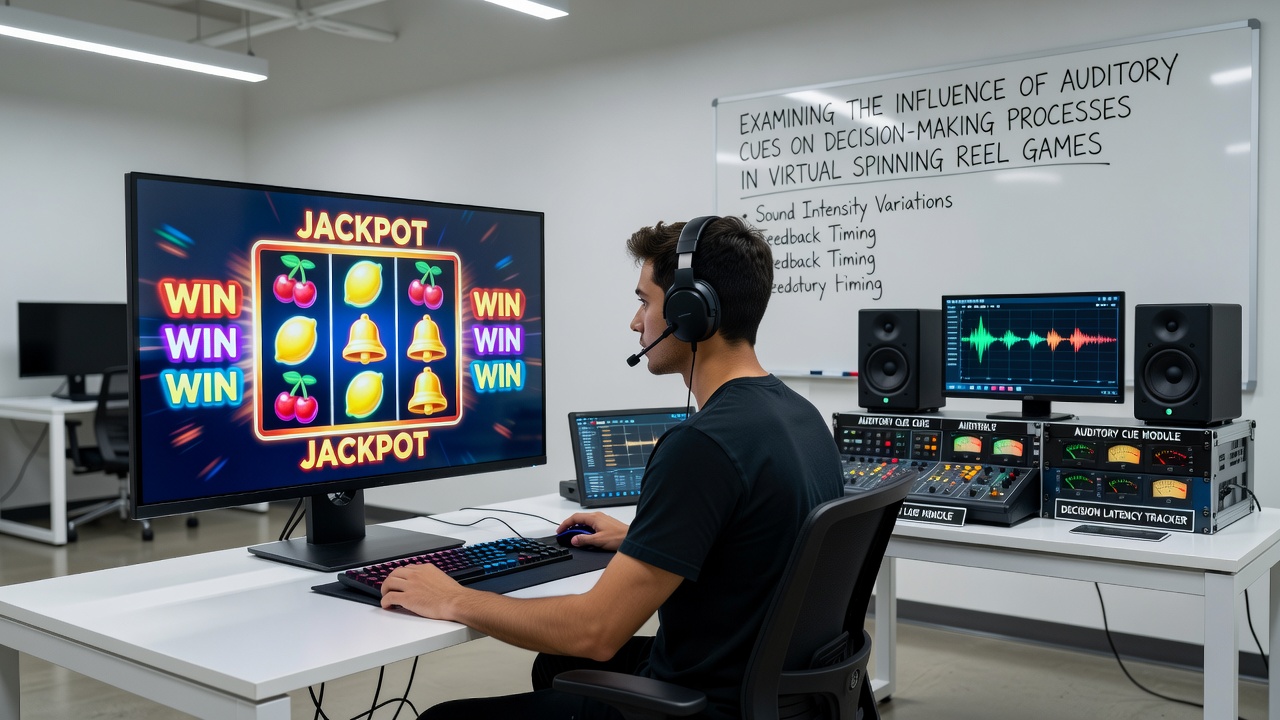
Studies examining decision timing reveal that certain audio events precede increases in average wager amounts, particularly when win-associated sounds extend beyond a threshold duration. Participants exposed to prolonged celebratory audio sequences demonstrate higher rates of selecting maximum bet options on subsequent spins compared with control groups hearing abbreviated versions. Conversely, neutral or absent reel sounds correlate with quicker session terminations in tracked data. Researchers track these outcomes through timestamped logs that pair audio activation with bet adjustments, producing datasets that isolate auditory variables from other game features.
Evidence from Controlled and Observational Research
Academic teams have run experiments separating audio conditions while holding visual and payout structures constant, and results indicate measurable differences in risk tolerance metrics. One dataset compiled by investigators at a Canadian university research center documented a 14 percent rise in continued play following exposure to escalating bonus audio cues. Industry monitoring groups in Australia report similar directional patterns in aggregated transaction records, where titles featuring prominent win melodies sustain longer average session lengths. These findings align with broader examinations of sensory input processing during repeated decision points, although exact percentages vary by title and player cohort.
Regional Data Trends Around Mid-2026
Market reports compiled through June 2026 reflect steady growth in mobile reel game participation across North American and European jurisdictions, with audio customization options appearing more frequently in new releases. Regulatory filings from the Nevada Gaming Control Board document increased scrutiny of sensory design elements in licensed products, prompting developers to log audio event frequencies alongside standard compliance metrics. Parallel reviews by the Australian Communications and Media Authority track how sound profiles intersect with responsible gaming tools, such as session reminders that mute or alter audio output. These records provide longitudinal views of how auditory features evolve alongside platform updates.
Mechanisms Underpinning Audio-Driven Decisions
Psychological frameworks describe auditory cues as priming devices that heighten attention to reward signals, and timing analysis shows these effects concentrate around post-spin evaluation windows. When reel sounds incorporate rhythmic elements that match common betting cadences, players exhibit elevated rates of selecting repeat spin commands without interval pauses. Data from eye-tracking and clickstream studies further indicate that attention shifts toward audio-correlated screen regions during these intervals, although visual dominance remains primary. External analyses hosted by institutions such as the Journal of Gambling Issues compile cross-study comparisons that quantify these attention reallocations.
Platform Variations and Implementation Differences
Desktop and mobile versions of the same title often deploy divergent audio mixes, with mobile builds emphasizing compressed effects suited to smaller speakers while desktop versions retain fuller frequency ranges. These technical distinctions produce measurable differences in decision latency according to device-logged datasets. Titles that allow user-controlled audio levels show higher retention figures when default settings maintain moderate win chime volumes, based on aggregated operator reports. Developers adjust these parameters during updates, and subsequent player behavior logs capture resulting changes in bet distribution curves.
Conclusion
Available records demonstrate that auditory cues embedded in virtual spinning reel games align with shifts in decision timing, wager selection, and session duration across varied testing conditions. Continued monitoring by regulatory bodies and research groups supplies updated datasets that refine understanding of these relationships, particularly as audio engineering standards advance through 2026 and beyond. The patterns identified in current evidence support ongoing examination of sensory design within digital gaming environments.