Examining Loyalty Scheme Linkages with Instant Transfer Selections in Smartphone-Enabled Live Card Sessions
Eden Peters · Jul 17, 2026
Examining Loyalty Scheme Linkages with Instant Transfer Selections in Smartphone-Enabled Live Card Sessions
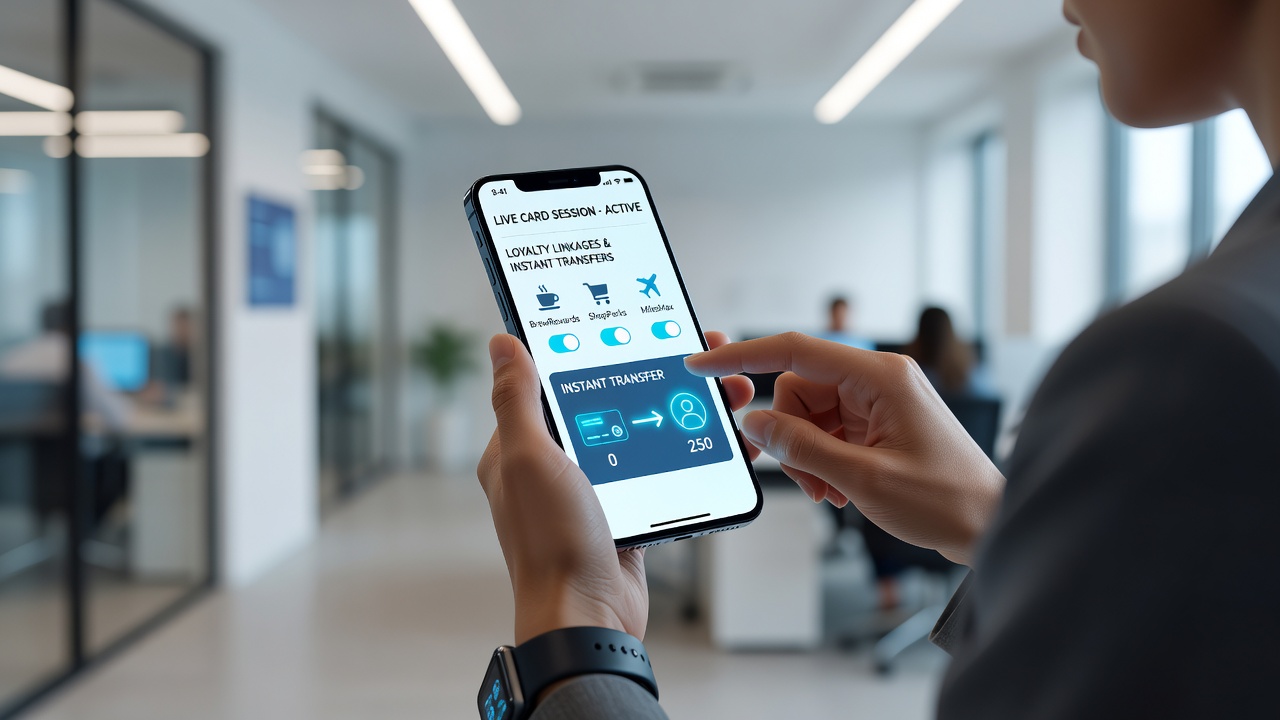
Smartphone-enabled live card sessions have expanded rapidly since 2024, with loyalty schemes now tied directly to instant transfer selections that allow players to move funds without delays during active dealer-hosted rounds. These connections create measurable pathways where reward points accumulate based on the speed and method of each transaction, and data from multiple jurisdictions shows consistent patterns in how participants select payment options while seated at virtual tables.
Integration Patterns Across Mobile Platforms
Platform operators link loyalty tiers to instant transfer features by assigning point multipliers when users complete deposits or withdrawals through specific digital wallets during live blackjack or poker sessions. Research indicates that systems track these selections in real time, converting transaction speed into tier advancement credits that unlock additional table access or multiplier bonuses on subsequent hands. Observers note that this linkage operates through application programming interfaces connecting payment processors to player accounts, while the underlying card stream continues uninterrupted on teh device screen.
Regional Data on Transaction Preferences
Figures from the Nevada Gaming Control Board reveal that instant transfer usage in mobile live card environments rose steadily through the first half of 2026, with loyalty-linked selections accounting for a growing share of total session volume. In parallel, reports compiled by the Australian Communications and Media Authority document similar trends among operators licensed in that market, where participants who activate instant transfers during live dealer rounds receive accelerated point accrual compared with standard processing routes. These patterns hold across different regulatory frameworks because the technical architecture allows loyalty engines to read payment metadata without interrupting the video feed from the studio.
What's interesting is how these linkages influence session length, since players who receive immediate confirmation of point awards tend to remain connected through additional rounds. Data shows that sessions incorporating at least one instant transfer tied to a loyalty tier extend by an average of several minutes compared with sessions using conventional funding paths, according to aggregated logs shared by industry analytics providers.
Technical Mechanisms Behind Point Allocation
The allocation process begins when a player selects an instant transfer option from the in-session menu, triggering an API call that logs both the transaction amount and the associated loyalty identifier. This information routes simultaneously to the payment gateway and the rewards database, ensuring that points post before the next card is dealt. Developers have refined these flows to handle high-frequency updates without introducing latency, and testing conducted by platform vendors confirms that the combined process completes within standard network tolerances even during peak evening hours.
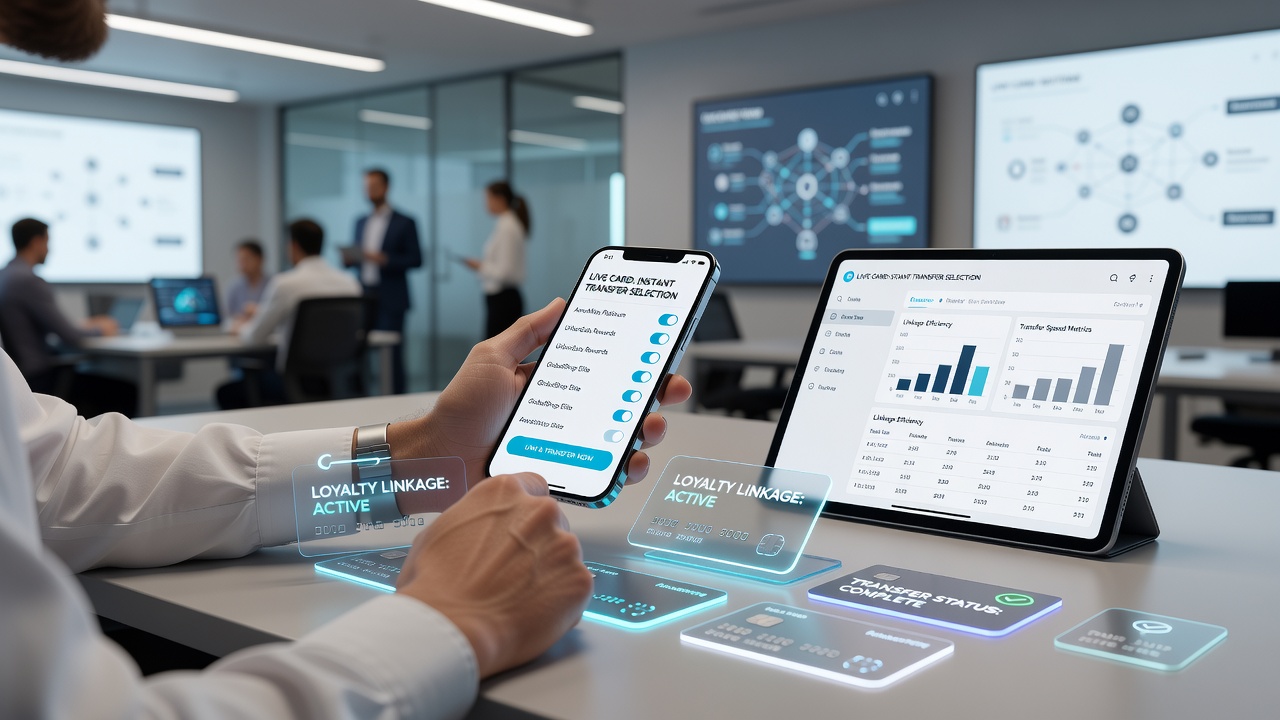
July 2026 brought further refinements when several major operators updated their mobile clients to display pending loyalty credits directly on the live table overlay. This visual integration allows participants to monitor progress without leaving the session window, and early metrics released by participating platforms indicate higher engagement with these on-screen indicators. The update also introduced conditional triggers where reaching a new tier mid-session automatically adjusts available instant transfer limits for the remainder of that connection.
Security and Compliance Considerations
Regulatory bodies require that loyalty-linked instant transfers maintain the same encryption standards applied to all other financial movements within the session. Auditors examine transaction logs to verify that point calculations match actual payment records, and discrepancies trigger automated reviews before any tier benefits activate. These controls operate continuously, with independent testing firms contracted to simulate high-volume scenarios and confirm that the linkage does not create exploitable gaps in account security.
One study released by the International Gaming Institute at the University of Nevada examined how these systems handle cross-border players, finding that loyalty points convert according to the licensing jurisdiction's rules regardless of the instant transfer method chosen. The research further documented that operators maintain separate ledgers for reward balances to isolate them from operational funds, thereby satisfying segregation requirements across multiple regulatory environments.
Player Behavior and Platform Analytics
Analytics dashboards used by operators track correlations between loyalty tier status and the frequency of instant transfer selections during live card play. Patterns emerge where mid-tier participants demonstrate higher rates of switching between available instant options compared with entry-level or top-tier users, suggesting that intermediate rewards create stronger incentives for experimenting with different transfer routes. These observations come from anonymized session data aggregated across thousands of daily connections and remain consistent month to month.
Platform reports also note that loyalty notifications delivered inside the active session window produce measurable upticks in subsequent transfer activity. When a player receives an alert about nearing the next tier threshold, the probability of selecting an instant option for the following deposit increases, according to internal metrics shared at industry conferences. This feedback loop operates without requiring players to navigate away from the dealer feed, preserving session continuity.
Conclusion
Linkages between loyalty schemes and instant transfer selections continue to shape smartphone-enabled live card sessions through technical integrations that reward transaction speed with point accumulation. Data collected across regulated markets demonstrates steady adoption of these combined features, supported by security protocols that satisfy jurisdictional requirements. As platforms refine on-screen displays and real-time tracking, the relationship between payment choice and reward progress remains a central element of the mobile live card experience.