Behind the Screens: How Encryption Protocols and Real-Time Data Flows Secure Transactions at Live Dealer Platforms
Riley Werner · May 17, 2026
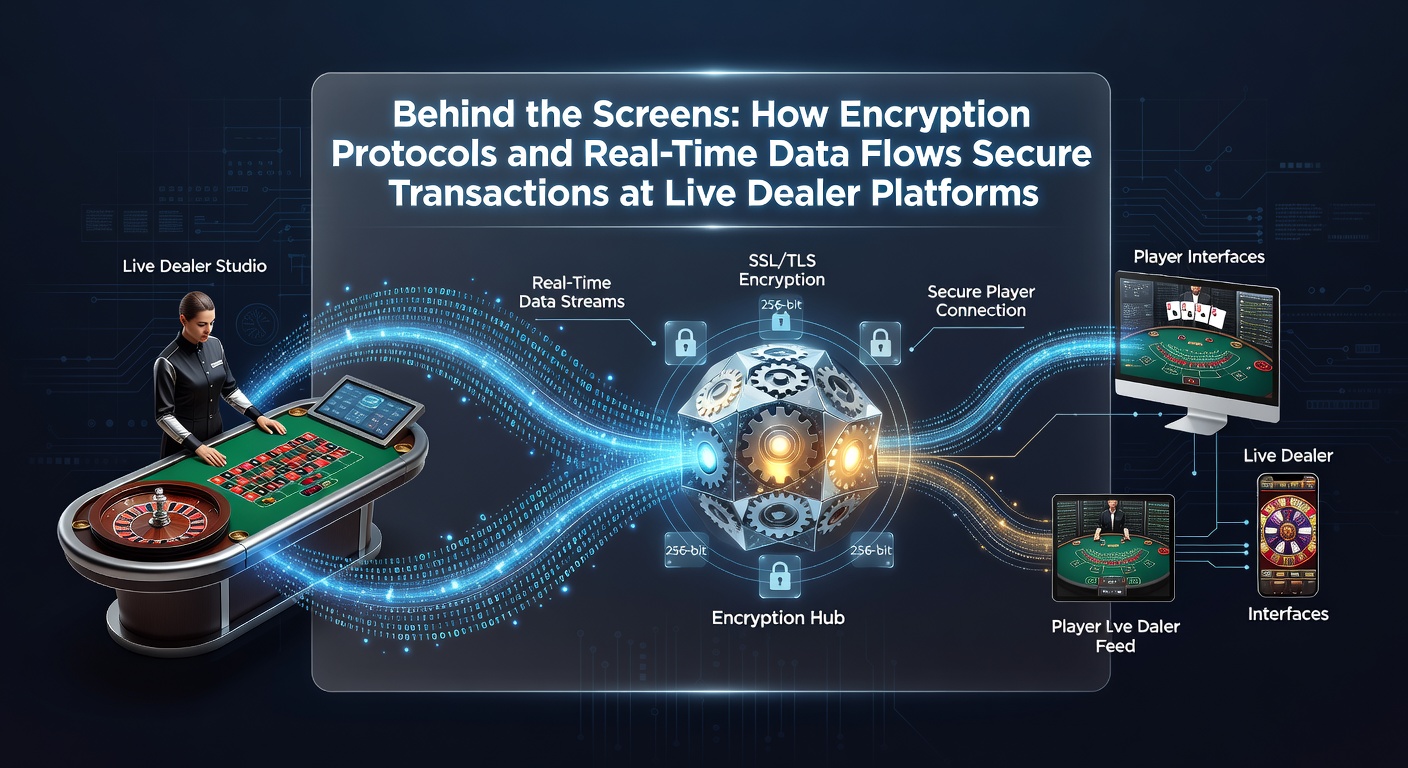
Behind the Screens: How Encryption Protocols and Real-Time Data Flows Secure Transactions at Live Dealer Platforms
Live dealer platforms rely on layered encryption protocols that protect every transaction from the moment a player places a bet until the dealer resolves the outcome and funds update in real time. These systems combine symmetric and asymmetric encryption with secure key exchanges so that card shuffles, chip movements, and payout instructions travel across networks without exposure. Data flows continuously between player devices, game servers, and dealer interfaces, each packet authenticated and integrity-checked before processing continues.
Core Encryption Standards in Operation
Platforms implement Transport Layer Security version 1.3 as the baseline for all connections, which eliminates older vulnerabilities while supporting forward secrecy through ephemeral keys. AES-256 encryption handles the bulk of data at rest and in transit, and researchers at the National Institute of Standards and Technology have documented its resistance to known brute-force attacks when keys rotate frequently. Tokenization replaces actual payment credentials with unique identifiers that hold no value outside the specific session, reducing the surface available to interception attempts.
Key management follows strict rotation schedules where session keys expire after minutes rather than hours, and hardware security modules store master keys in isolated environments. Observers note that this approach limits the window during which any single key remains valid, even if network traffic is captured for later analysis. As of May 2026, several major operators have begun testing post-quantum cryptographic algorithms alongside current standards to prepare for future computational advances that could challenge existing RSA implementations.
Real-Time Data Architecture
Real-time data flows move through dedicated pipelines that separate game logic from financial transactions. Video streams from studio cameras travel on one channel while encrypted betting instructions travel on another, both synchronized by timestamps that prevent replay attacks. When a player clicks to place a wager, the request travels through an API gateway that validates the digital signature, decrypts the payload, adn forwards only the necessary details to the game engine and banking module simultaneously.
Load balancers distribute these streams across multiple servers so that latency stays under 100 milliseconds even during peak hours, and any packet that fails integrity checks gets dropped before it reaches the dealer terminal. This architecture ensures that live results appear on player screens at the same moment the outcome registers in the central ledger, maintaining consistency across all connected devices.
Transaction Integrity and Monitoring
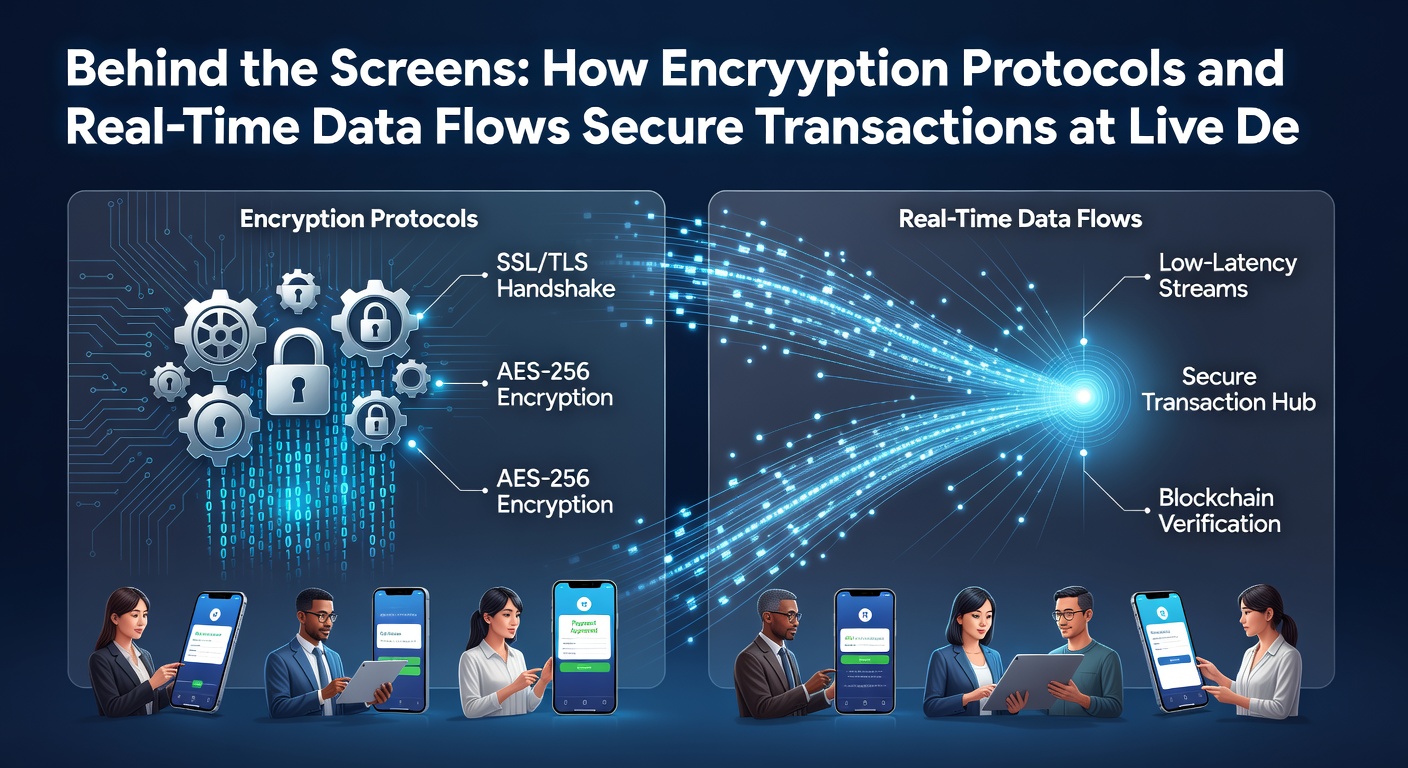
Each transaction carries a unique nonce and message authentication code that the receiving server verifies before updating balances. Systems log these events in immutable audit trails that regulatory bodies can review without exposing live keys or sensitive player data. Automated anomaly detection scans for unusual patterns such as rapid bet size changes or mismatched timestamps, flagging potential issues for human review while the game continues uninterrupted.
Operators integrate these controls with broader compliance frameworks that require regular penetration testing and third-party audits. Data from industry reports indicates that platforms maintaining sub-second reconciliation between game outcomes and financial records experience fewer disputes, because every step remains verifiable through cryptographic proof rather than manual reconciliation.
Future-Proofing Live Dealer Security
Developments in edge computing allow some decryption and validation steps to occur closer to the player device, which shortens the distance sensitive data travels across public networks. At the same time, zero-trust architectures require continuous re-authentication of every component, from the camera feed to the payment processor, so that a single compromised element cannot affect teh entire session. These measures work together to keep live dealer transactions both fast and protected as player volumes grow.
Conclusion
Encryption protocols and real-time data flows form the invisible foundation that allows live dealer platforms to deliver authentic table games at scale. Through continuous key rotation, tokenization, and synchronized data pipelines, operators maintain transaction security while preserving the immediacy players expect. Ongoing updates to these systems, including preparations for post-quantum standards, ensure that the same protections remain effective as technology and threat landscapes evolve.