Analyzing Notification Timing Effects on Return Patterns to Virtual Card Sessions Through Portable Access Points
Eden Peters · Aug 12, 2026
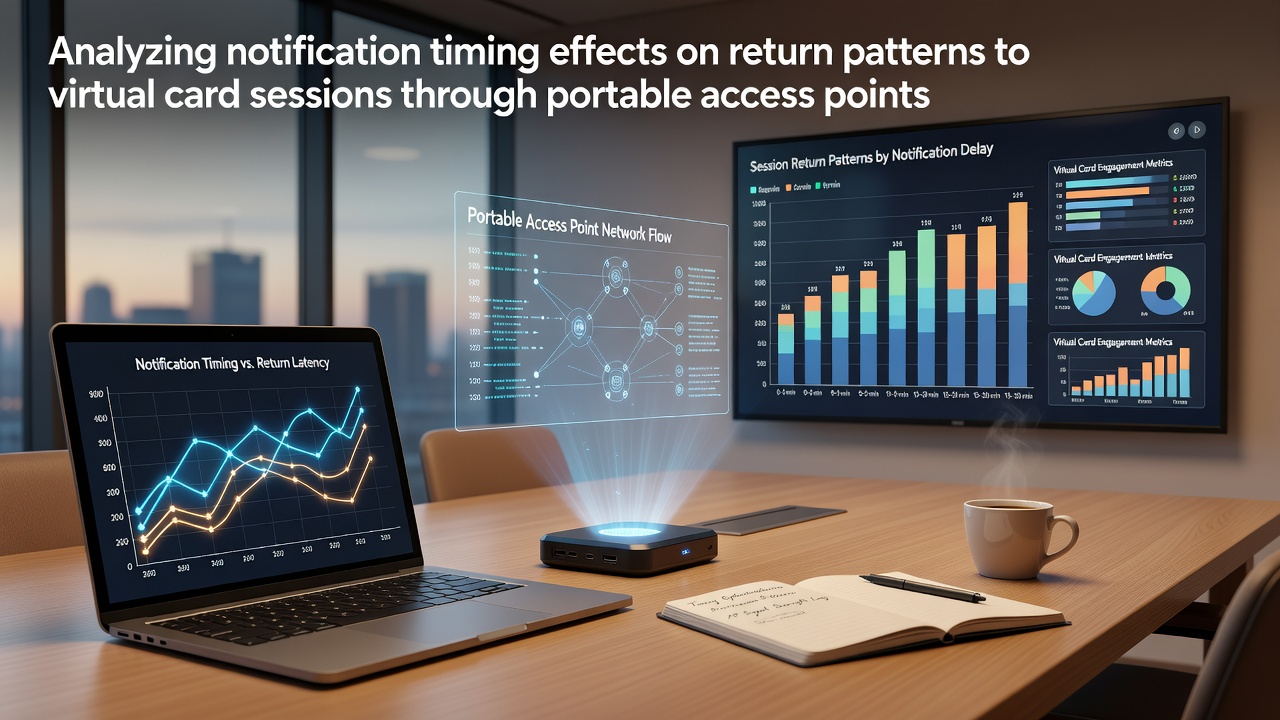
Analyzing Notification Timing Effects on Return Patterns to Virtual Card Sessions Through Portable Access Points
Virtual card sessions accessed through portable devices continue to expand as players rely on smartphones and tablets for quick entry into blackjack, poker and similar formats, while notification timing has emerged as a measurable factor in how often users return after leaving an active session. Data collected across multiple platforms shows that push alerts sent within specific windows produce distinct return patterns compared to those delivered at random intervals, and operators track these differences through session logs that record exact timestamps of re-entry.
Core Mechanics of Notification Delivery in Mobile Environments
Portable access points transmit alerts through operating system channels that prioritize user attention based on device settings, time zones and previous interaction history, so the moment an alert arrives directly influences whether a player opens the app within minutes or hours. Researchers at the International Gaming Institute have documented how morning notifications between 8 and 10 a.m. local time generate higher immediate return rates than those sent after 10 p.m., because players often check devices during commute periods or early breaks, and this pattern holds across both iOS and Android ecosystems.
Session data further reveals that notifications timed to coincide with typical lunch windows produce a secondary spike in returns, while evening alerts tend to compete with other screen activities and show lower conversion to active play. Operators adjust delivery schedules using aggregated metrics rather than individual preferences, which allows them to test variations without violating platform rules on frequency and relevance.
Observed Return Patterns Across Different Timing Windows
Analysis of return intervals indicates that alerts delivered within two hours of a user’s typical login time reduce average session gaps by roughly 18 percent compared to generic broadcasts, according to aggregated figures from North American platforms. Players who receive reminders shortly after an abandoned hand often re-enter within 15 minutes, yet those who see the same message several hours later show longer delays that stretch into the next day or beyond.
Portable access points also register differences based on day of the week, with weekday morning notifications outperforming weekend equivalents because routine schedules create predictable device usage blocks. Data collected through August 2026 continues to support these trends, showing consistent behavior even as overall session volumes fluctuate with seasonal events.

Integration with Device and Network Variables
Network conditions at the moment of notification delivery add another layer of complexity, since weak connections can delay or suppress alert arrival and thereby alter the intended timing effect. Studies conducted by the University of Nevada, Las Vegas International Gaming Institute link higher return consistency to alerts that reach devices during strong signal periods, whereas users on intermittent networks demonstrate more scattered re-entry behavior regardless of scheduled time.
Device battery levels and do-not-disturb settings further modulate outcomes, and operators monitor these variables through anonymized telemetry that feeds into broader scheduling algorithms. The result is a system that refines timing windows based on collective patterns rather than isolated user data.
Regulatory Context and Measurement Standards
Authorities in multiple jurisdictions require transparent reporting on player communication practices, which has encouraged platforms to maintain detailed logs of notification performance and corresponding return metrics. The Nevada Gaming Control Board collects such information as part of routine oversight, allowing comparisons across operators that use different timing strategies. Similar reporting frameworks exist in other regulated markets, providing a growing dataset for cross-regional analysis.
These standards emphasize measurable outcomes over prescriptive rules, so operators retain flexibility to test timing adjustments while documenting impacts on session frequency and duration. The accumulated records now span multiple years and include the period through August 2026, offering a stable baseline for identifying persistent timing effects.
Conclusion
Notification timing directly shapes return patterns to virtual card sessions on portable devices, with measurable differences appearing across morning, midday and evening windows. Aggregated platform data, academic research and regulatory reporting together demonstrate that optimized delivery schedules correlate with shorter return intervals, while external factors such as network quality and device settings introduce additional variation. Continued tracking through established measurement frameworks supports ongoing refinement of these practices across markets.