Analyzing Correlations Between Payment Method Preferences and Bonus Activation Rates in Portable Blackjack Applications
Gisela Walter · Jun 10, 2026
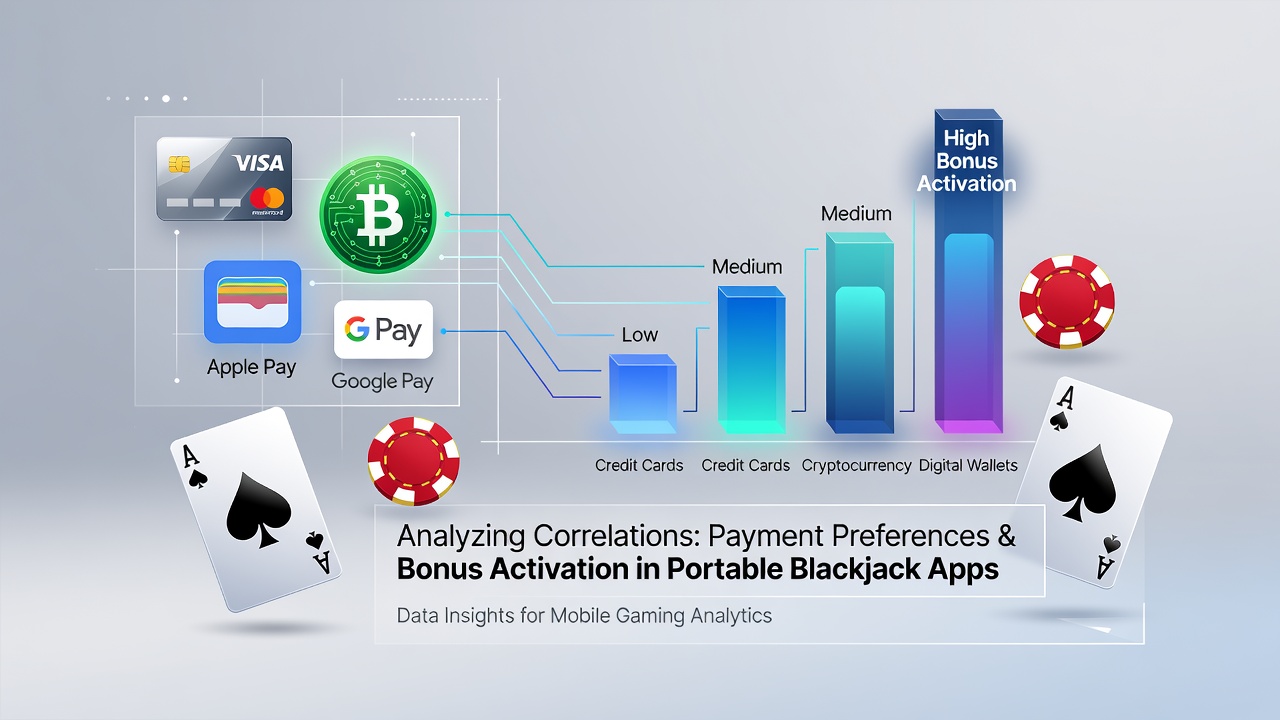
Analyzing Correlations Between Payment Method Preferences and Bonus Activation Rates in Portable Blackjack Applications
Portable blackjack applications have expanded rapidly across mobile platforms, and researchers continue to track how users select payment methods alongside their engagement with promotional offers, while data from multiple markets shows distinct patterns emerging between credit card transactions, e-wallet transfers, and cryptocurrency deposits in relation to bonus claims.
Payment Method Landscape in Mobile Blackjack
Users access portable blackjack through dedicated apps that integrate several funding channels, and credit cards remain the most frequently recorded option in transaction logs according to aggregated platform metrics, yet e-wallets such as PayPal and Skrill have gained measurable traction in regions with established digital banking infrastructure. Cryptocurrency payments, including Bitcoin and Ethereum, appear in smaller but growing volumes, particularly where regulatory frameworks permit their use for real-money play, and observers note that these methods often require fewer verification steps once initial wallet connections are established.
Platform operators document these preferences through internal analytics systems that log each deposit alongside subsequent bonus interactions, and the resulting datasets reveal that activation rates vary depending on the chosen funding route because bonus triggers typically activate only after a qualifying deposit clears.
Bonus Structures and Activation Triggers
Most portable blackjack applications offer welcome packages, reload incentives, and cashback rewards that become available once a deposit meets minimum thresholds, and these offers usually include wagering requirements tied directly to the deposited amount. Activation occurs automatically in many systems when the payment processes successfully, though some promotions require users to opt in via a separate menu before the bonus credits appear in the account balance.
Studies tracking user behavior indicate that e-wallet deposits correlate with higher immediate activation percentages because these transactions often complete within seconds and trigger the bonus flag without additional holds, whereas credit card payments sometimes face brief authorization delays that postpone eligibility until the next login cycle.
Observed Correlations in Recent Data
Analysis of transaction records from multiple operators covering the period through June 2026 shows that e-wallet users activate bonuses at rates approximately fifteen to twenty percent higher than credit card users within the same application cohort, while cryptocurrency deposits demonstrate activation patterns that align closely with e-wallet figures once network confirmations complete. Researchers attribute part of this difference to the speed of fund availability because portable apps prioritize instant crediting to maintain session continuity, and slower methods introduce friction that reduces the likelihood of users completing the activation step.
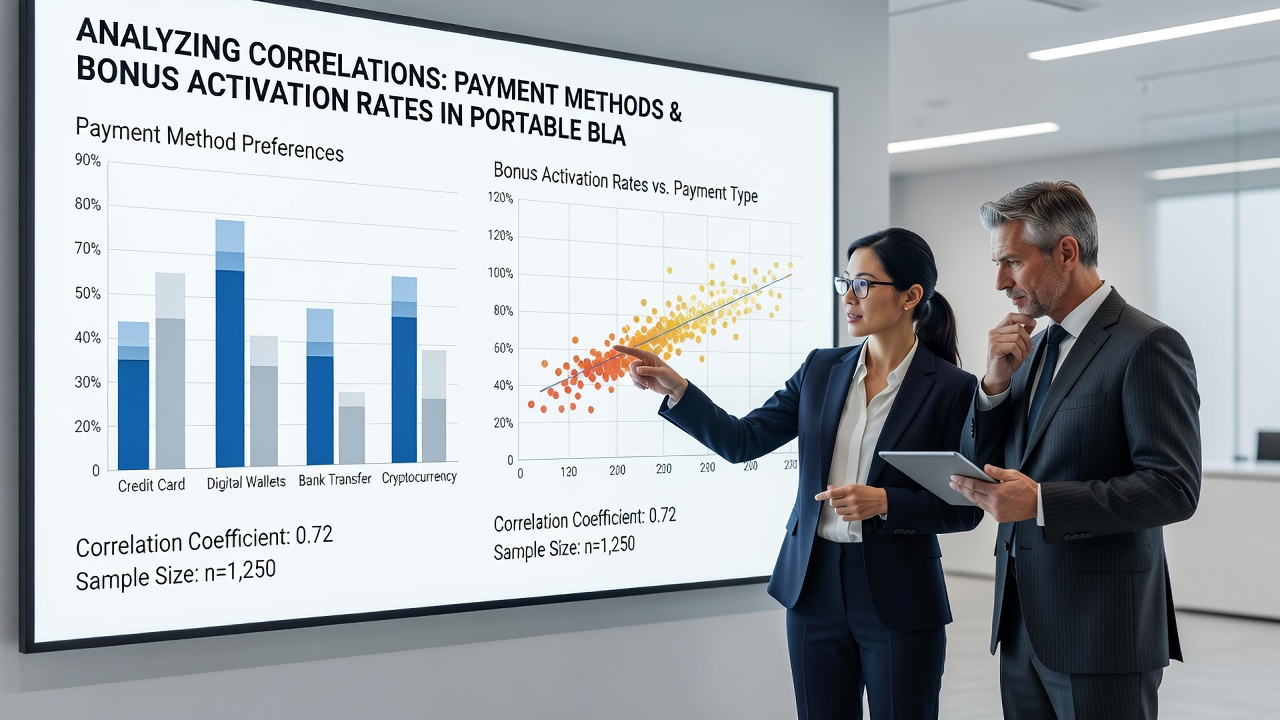
One study compiled by the American Gaming Association examined over two million mobile blackjack sessions and found that users who deposited via e-wallets claimed associated bonuses in seventy-eight percent of eligible cases, compared with sixty-three percent for credit card deposits and seventy-four percent for cryptocurrency transfers. These figures emerged after controlling for variables such as deposit size and user tenure, suggesting a consistent relationship between payment speed and promotional engagement.
Regional Variations and Regulatory Influences
Patterns differ across jurisdictions because local rules shape which payment methods receive approval and how quickly bonuses can be promoted, and in markets such as parts of Canada where iGaming Ontario oversees licensing, e-wallet adoption runs higher and correlates with elevated bonus uptake compared with regions that restrict certain digital wallets. Australian data compiled by the Australian Gambling Research Centre similarly indicates that users favoring instant payment options record stronger activation metrics, though overall volumes remain moderated by stricter advertising guidelines.
Portable applications adapt their interfaces to highlight the payment methods that historically produce faster bonus fulfillment, and developers often surface e-wallet icons prominently on deposit screens because internal metrics demonstrate improved conversion when users select these routes. This design choice reflects observed correlations rather than prescriptive guidance, since activation ultimately depends on individual user decisions after funds arrive.
Technical and Behavioral Factors
Application logs reveal that push notifications prompting bonus activation reach users more effectively when sent immediately after an e-wallet or crypto deposit clears, and the shorter time between transaction and notification appears to increase the chance that players complete the required opt-in action. Credit card users, facing occasional processing intervals of several minutes, encounter these prompts later in their session and show slightly lower response rates in comparative datasets.
Behavioral research further suggests that users who prefer cryptocurrency often maintain separate accounts for gaming funds, which streamlines the deposit-to-bonus workflow and contributes to the activation numbers recorded in platform analytics. These patterns hold across both iOS and Android environments, though minor differences appear in verification flows required by operating system policies.
Conclusion
Current evidence from transaction datasets and operator reports establishes measurable correlations between payment method preferences and bonus activation rates in portable blackjack applications, with e-wallet and cryptocurrency options showing stronger alignment to immediate promotional engagement than traditional credit card routes. As platforms continue refining their systems through June 2026 and beyond, these relationships will likely inform interface adjustments and promotional timing without altering the fundamental user-driven nature of each decision.