Alabama Senate Defeats Gambling Amendment by Single Vote as Session Closes
Ulrich Brooks · Aug 2, 2026

Alabama Senate Defeats Gambling Amendment by Single Vote as Session Closes
House Bills 151 and 152 advanced through the Alabama House earlier in the 2026 session yet stalled when the Senate rejected the required constitutional amendment by a margin of one vote; the regular session concluded without further action and Governor Kay Ivey declined to call a special session. The measures sought to establish a state lottery, authorize up to seven casino-style facilities, and permit regulated sports wagering across the state.
Details of the Proposed Legislation
HB 151 addressed the constitutional changes necessary for a lottery and limited commercial gaming while HB 152 outlined the operational framework for licensing and taxation; together the bills would have created a regulatory structure under a new state gaming commission and directed a portion of revenues toward education and infrastructure programs. Supporters argued the framework would bring Alabama in line with neighboring states that already operate lotteries and sports books, yet opponents raised concerns over expanded gambling access and the potential impact on existing tribal operations.
Senate Vote and Immediate Outcome
The constitutional amendment required a three-fifths majority in both chambers; after clearing the House the proposal fell one vote short in the Senate on the final day of the session, leaving the package without the votes needed for passage. Lawmakers adjourned without scheduling additional debate, and no special session has been announced as of early August 2026. As a result Alabama continues to operate without a state lottery, commercial casinos, or regulated sports betting markets.
Role of the Poarch Band of Creek Indians
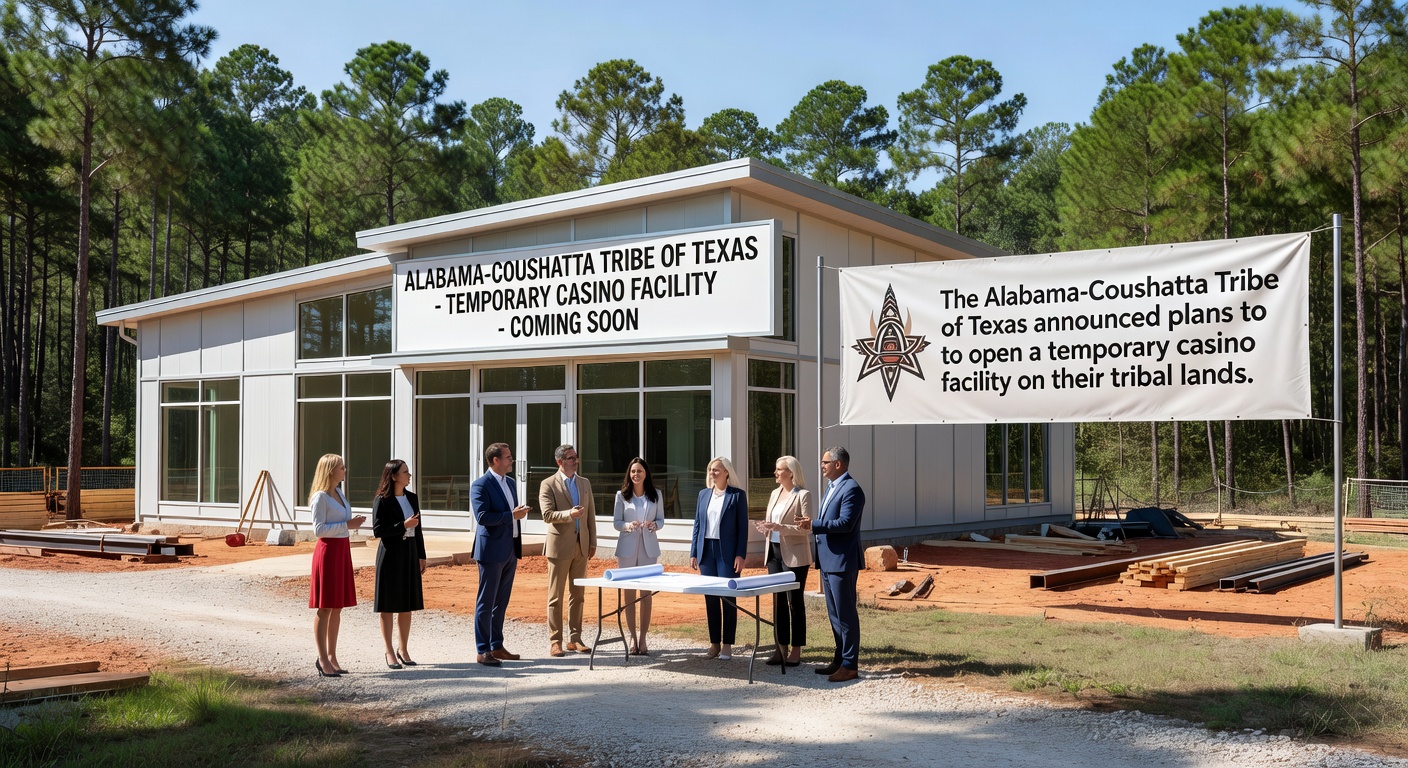
The Poarch Band of Creek Indians maintains the only tribal gaming facilities currently operating in Alabama under the Indian Gaming Regulatory Act, and any future expansion of commercial gaming would require negotiation of a tribal-state compact. Observers note that the tribe has participated in previous discussions about revenue sharing and regulatory oversight, positioning the band as a central stakeholder should lawmakers revisit the issue in a future session. Without new legislation the existing tribal compact framework remains the sole avenue for casino-style gaming in the state.
Revenue and Regulatory Context
According to data compiled by state fiscal analysts, neighboring states with lotteries and sports wagering generate hundreds of millions in annual revenue; Alabama lawmakers referenced those figures during debate yet could not secure the final vote needed to move forward. The failure leaves the state without mechanisms to capture taxes or fees from lottery sales, casino floors, or sports betting operators. Industry reports from the American Gaming Association indicate that states adopting similar packages have seen rapid growth in regulated markets, though Alabama lawmakers did not reach agreement on implementation details before adjournment.
Future Prospects
With the 2026 regular session concluded, any renewed effort would require reintroduction of legislation in 2027 or a special session called by the governor. The Poarch Band of Creek Indians has signaled willingness to discuss compact terms that address both tribal sovereignty and state revenue interests, yet formal negotiations remain on hold. Lawmakers have not announced a timeline for revisiting the constitutional amendment, and the single-vote margin in the Senate suggests narrow political divides that could persist into the next legislative cycle.
Conclusion
The defeat of House Bills 151 and 152 by one Senate vote ended Alabama's 2026 push for a lottery, limited casinos, and sports wagering, leaving the state without new gaming options and preserving the Poarch Band of Creek Indians' position as the primary operator of casino-style facilities. As of August 2026 no special session has been scheduled, and any future changes would depend on renewed legislative action and potential compact negotiations with the tribe.