Adapting Monetary Pathways Amid Evolving Options for Live Dealer Card Play on Handheld Devices
Riley Werner · May 29, 2026
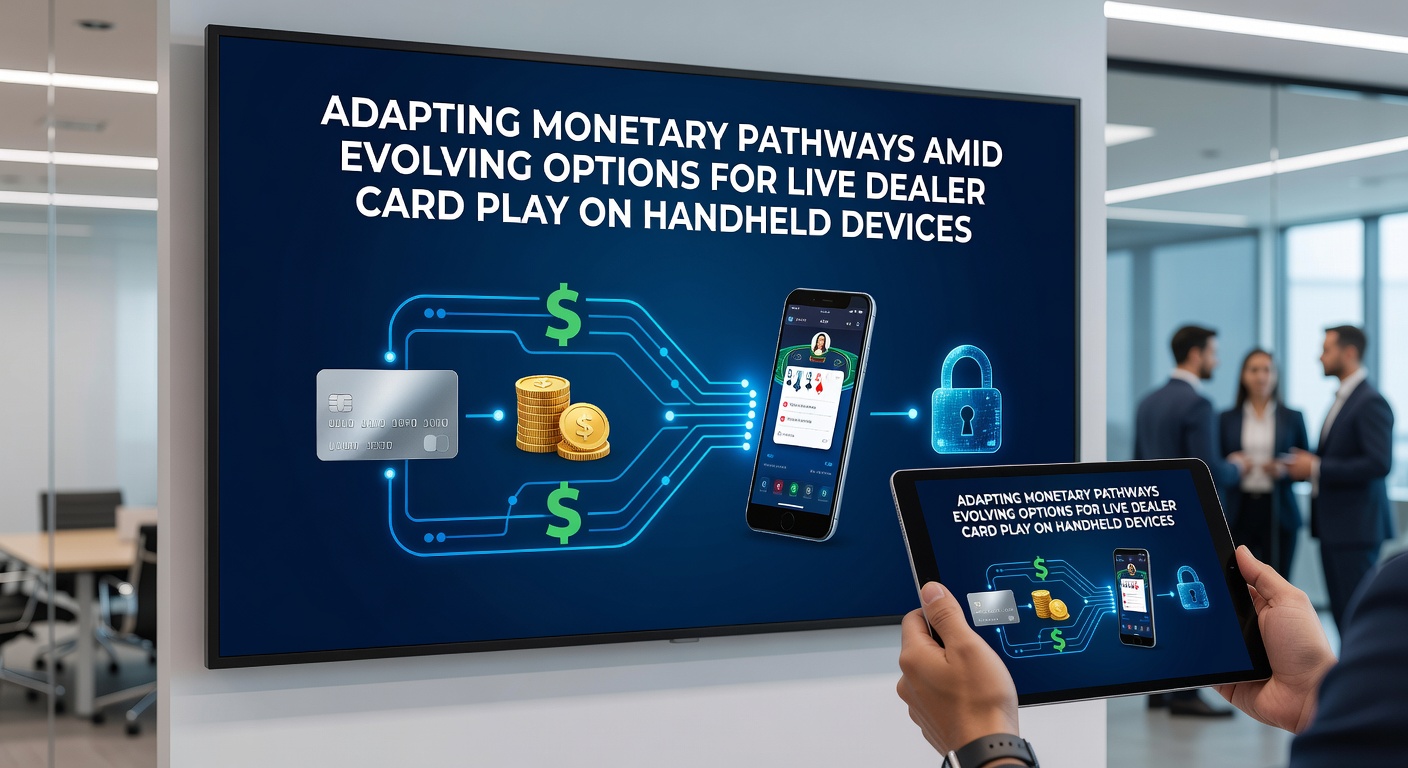
Adapting Monetary Pathways Amid Evolving Options for Live Dealer Card Play on Handheld Devices
Live dealer card games on handheld devices continue to expand their reach as operators refine payment systems to match new user expectations and technical capabilities, and data from industry reports shows transaction volumes rising steadily through the first half of 2026.
Payment pathways in this space now incorporate digital wallets, instant bank transfers, and alternative methods that reduce friction during live sessions, while regulatory frameworks in multiple regions set baseline requirements for verification and security protocols.
Current Landscape of Mobile Live Dealer Payments
Operators have adjusted funding routes to support seamless play on smartphones and tablets, where live blackjack and poker tables stream in real time and players switch between deposit methods without interrupting the game flow, and statistics released in May 2026 indicate that wallet-based transactions now account for over 40 percent of mobile activity in several markets.
Those who've tracked adoption patterns note that traditional card payments still hold ground in established jurisdictions, yet newer options gain traction because they align with device-native features such as biometric authentication and tokenized credentials.
Integration of Digital Wallets and Instant Transfers
Digital wallets integrate directly into dealer-hosted modules on portable screens, allowing users to authorize transfers through stored credentials rather than entering full card details each time, and this shift reduces processing delays while maintaining compliance with regional standards set by bodies like the Alcohol and Gaming Commission of Ontario.
Instant bank transfers built on open banking frameworks have appeared in select European and North American platforms, where players link accounts once and complete deposits within seconds during active card rounds.
What's notable is how these pathways handle multi-currency support and cross-border play without requiring users to navigate separate banking portals mid-session.
Regulatory Influences on Payment Adaptation
Regulators in different territories continue to shape available options, with licensing conditions often specifying authentication layers and transaction monitoring that operators must embed into handheld interfaces, and figures from the Nevada Gaming Control Board reveal consistent growth in mobile live dealer segments alongside updated reporting on payment method usage.
Compliance teams adapt pathways to meet evolving rules around responsible play tools and anti-money laundering checks, which now frequently occur at the point of deposit rather than after the fact.
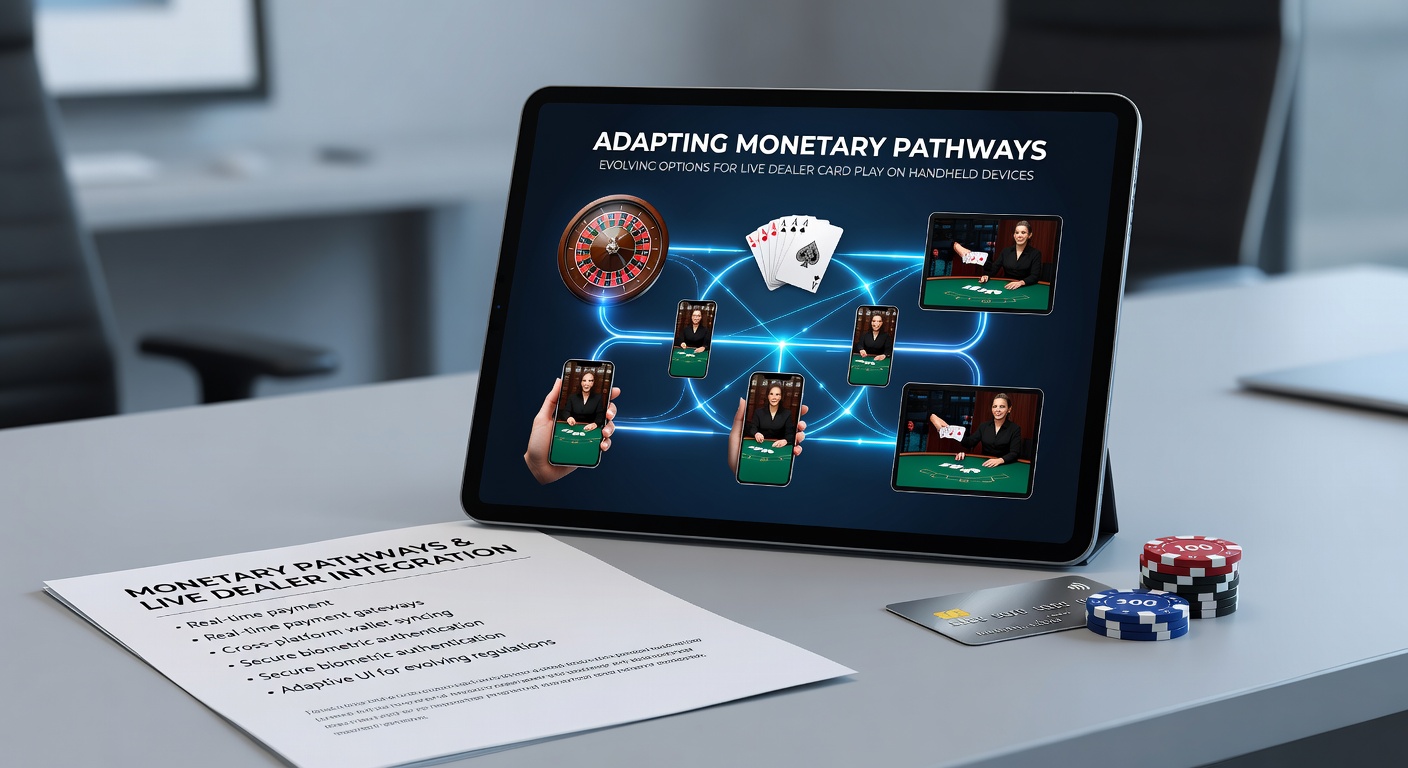
One study from academic researchers at the University of Nevada, Reno examined how these requirements influence user retention when payment options expand or contract, and the findings show measurable differences in session length tied to perceived speed and reliability of funding methods.
Technical Shifts Supporting New Monetary Routes
Backend systems have evolved to handle higher volumes of small-value transactions typical in mobile live dealer environments, where players often top up during short breaks between hands, and encryption standards plus real-time reconciliation tools ensure that balances update without lag visible on the player side.
Device compatibility testing now extends to a wider range of operating systems and screen sizes, allowing consistent performance whether users rely on near-field communication payments or QR-code linked transfers.
Emerging Options adn Their Adoption
Cryptocurrency gateways appear on a growing number of platforms serving handheld users, though adoption rates vary by jurisdiction and operator policy, while data indicates that regions permitting such methods see faster deposit times compared to legacy bank routes in comparable tests.
Those monitoring industry trends point to hybrid models that combine traditional rails with newer rails, giving players choice without forcing a single pathway across all markets.
Observers note that May 2026 brought fresh platform updates focused on reducing abandoned transactions, particularly during peak evening hours when live tables draw the highest concurrent users.
Challenges in Pathway Alignment
Operators face ongoing work to synchronize payment providers with live streaming infrastructure, since any mismatch in processing speed can affect game pacing and user experience on smaller screens, and case examples from multiple sites show that pre-authorization steps now occur in parallel with dealer actions to keep everything aligned.
Security remains central as new methods enter rotation, with layered verification and device fingerprinting added to existing protocols to counter fraud attempts that target mobile sessions specifically.
Conclusion
Monetary pathways for live dealer card play on handheld devices reflect ongoing adjustments driven by technology, regulation, and player behavior patterns documented through 2026, and continued refinement in these areas supports broader accessibility while meeting compliance obligations across regions. Data continues to guide how options expand or consolidate in response to measured outcomes rather than assumptions.